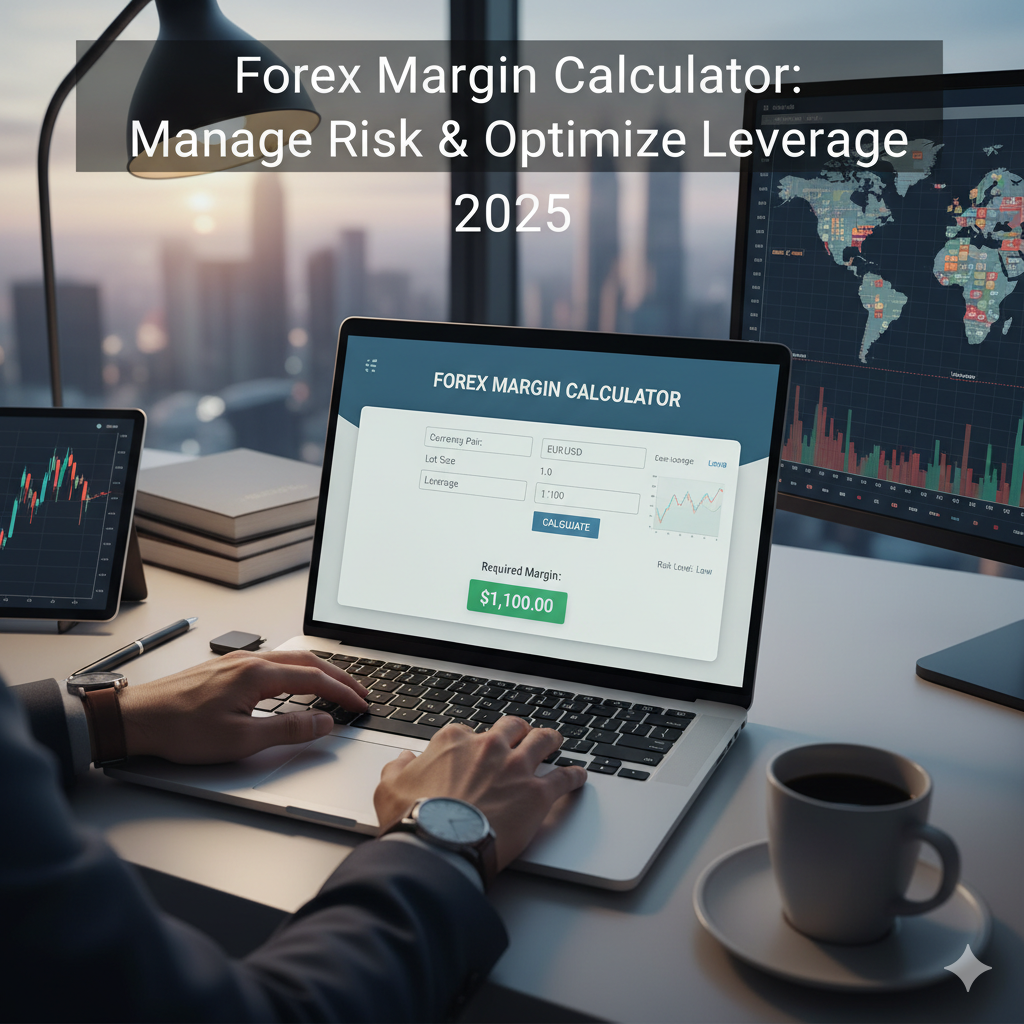
In the real world, it is time to tell the truth, which is not the most exciting thing to hear in trading, but it may save your account. Have you ever felt like knowing what the actual effect of your leverage exposure is on your trades or how high a risk of margin can get out of control in a short period? Then you are not alone. Knowing how to compute leverage is useful in that you can realize your actual market exposure before hitting the Buy or Sell button.
Quick summary
| Concept | Meaning |
| Effective Leverage Calculation | Your real leverage based on position vs. capital |
| Leverage Exposure | How much of the market do you control |
| Margin Risk | Risk of losses from leveraged positions |
| Tools & Calculators | Easy tools to check leverage and risk |
Understanding Leverage: A Foundation for Traders
It is a nice feeling of leverage, but what can make you safe is a good leverage calculation. Forget about the leverage you have, and your risk of margin is escalating fast.
What Is Leverage in Trading?
Leverage allows you to trade larger at a smaller amount of money, but at the cost of more losses.
- 1:10 leverage—minimal exposure, reduced risk of margin
- Leverage 1:50—moderate exposure, requires appropriate effective leverage computation.
- 1:100+ leverage—high margin risk, high leverage exposure.
Calculate first. Trade second.
Leverage exposure is explained.
Leverage exposure indicates your actual control over your equity.
Example:
- Account balance: $1,000
- Broker leverage: 1:100
- Position: $100,000
That’s 100x exposure. A 1% move can wipe you out.
That is why the effective leverage calculation is important every time.
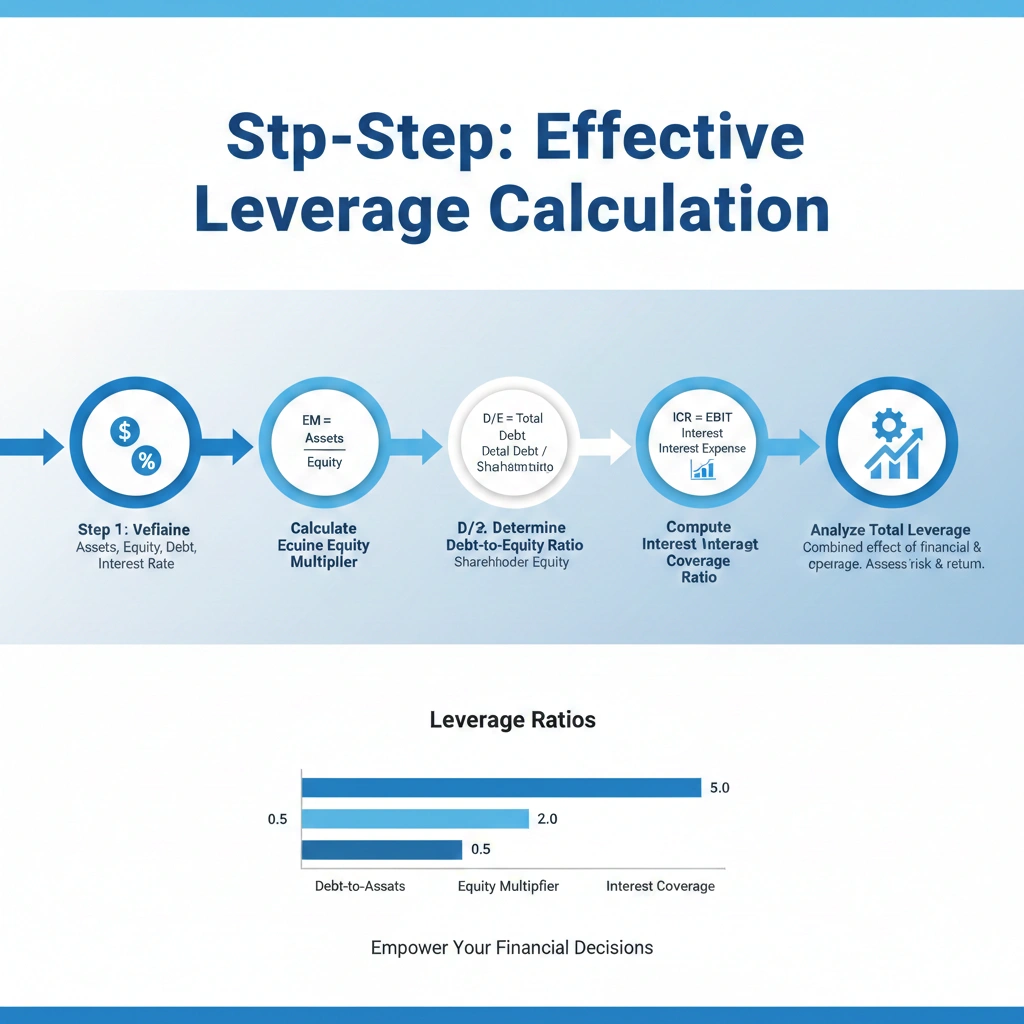
Step-by-Step: Effective Leverage Calculation
We can make effective leverage calculation easy and realistic.
Effective Leverage = Position Size/Actual Equity.
Where:
- Position Size = Total trade value
- Actual equity is your actual capital.
This formula demonstrates your actual leverage exposure as well as the actual risk of margin
Example
- Account equity = $2,000
- Position size = $50,000
- Effective Leverage = 50,000 / 2,000 = 25×
Thus, your real exposure to leverage is 25x – not what your broker is marketing to you.
Even a minor movement of the market increases the risk of margin rapidly at 25x effective leverage.
This is why effective leverage before each trade is something that must be calculated before it is negotiated.
Common Mistakes Traders Make
Let us be honest, the majority of the losses occur due to the failure of the traders to consider effective leverage computation, leverage exposure, and the increasing risk of margin
- There is a belief that increased leverage is equal to increased success.
When leverage is not properly calculated, it yields the risk of margin in a hurry.
- Disregarding the actual leverage exposure.
The size of the position is more significant than the ratio of the broker.
- Not calculating margin risk
Minor market changes can result in massive losses with great exposure.
- Trading emotionally
Large trade sizes = unsafe exposure to leverage.
Why Margin Risk Matters—and How to Calculate It
As we all know, it is the risk of margin that cleanses the accounts, particularly when you neglect to count the proper leverage and when the actual leverage exposure of the accounts is not taken into account.
Risk of margin increases when:
- You have increased useful leverage.
- You trade volatile markets
- You do not take exposure into consideration.
Increased leverage exposure = expedited risk of margin
How to Calculate Margin Risk
Position Size × Maintenance Margin = Margin Call Threshold.
Example:
- Position size = $50,000
- Maintenance margin = 20%
- Margin Call Level = $10,000
Any decrease in your equity below this exposes you to a margin call.
That is why it should always come first in effective leverage calculation.
Effective Leverage Calculation in Different Markets
Let us not complicate it anymore—the computation of leverage varies in regard to the market. Leverage exposure and risk of margin are not the same in forex, stocks, and crypto.
Forex
Forex is heavily leveraged (as high as 1:500).
Increasing the leverage exposure implies that a minor price movement can quickly raise the risk of margin. That is the reason why proper leverage computation is essential, particularly during times of news volatility.
Stocks
Stocks tend to provide less leverage, such as 2:1 or 5:1.
This makes leverage exposure less, but inept position sizing can still increase the risk of margin. It is not irrelevant that a good leverage calculation should be done.
Cryptocurrency
Crypto is extremely volatile (with a leverage of up to 1:200).
Liquidations are growing by 20-35% in 2025-26 by virtue of uncontrolled leverage exposure. The risk of margin increases rapidly without effective calculation of leverage.

Top Features to Look for in a Trading Tool
1. Real-Time Data Integration
Leverage exposure can be seen immediately by tools that are updated with live prices. No guessing, no outdated numbers.
2. Adjustable Parameters
Calculate change margin, position size, or risk percentages on demand. The effective leverage is an immediate update on the tool.
3. Risk Simulator
Simulate price movements, slippage, or trades. Test the sensitivity of your margin risk in prospect.
4. Clear Outputs
Look for tools that show:
- Effective leverage
- Margin requirement
- At your level of stop, loss is estimated.
These features will enable you to compute effective leverage in just a few seconds and not trade less intelligently.
Practical Formulas to Save
These are the most important equations that should be used to compute good leverage, leverage exposure management, and margin risk control.
- Effective Leverage = Position Size ÷ Actual Equity.
Clearly shows your actual market exposure.
- MCL = Position Size x Maintenance Margin.
Gives you the time when a margin call can occur.
- Risk Per Trade = (Entry – Stop Loss) x Position Size.
Estimates potential loss.
Smart trading on leverage and risk is best calculated using these.

FAQs
1. What is effective leverage calculation?
True leverage computation calculates your actual market exposure depending on position size and actual equity, and not the nominal leverage ratio.
2. How does leverage exposure affect my trades?
Increased leverage exposure increases the profits and losses. Knowing what you are exposed to will enable you to deal with risk better.
3. What is margin risk?
The risk of having your equity being swept away by unfavorable price changes, a margin call, or a stop-out is called margin risk.
4. Can a tool help with effective leverage calculation?
Indeed, leverage calculators are automated and do not allow errors that would occur manually.
5. Is high leverage always bad?
No, but high leverage is a great risk-taker. Calculate safe exposure by means of good leverage calculation.
Conclusion
The point is as follows: effective leverage calculation is not a formula; it is your compass of risk. Knowing your leverage position and margin risk will make you trade smarter as opposed to bigger. With tools, calculations, and easy formulas, you are able to capitalize your capital and make better decisions. Note that brokers are the most leveraged, but it is only the effective leverage calculation that tells how much you are actually exposed. Be strategic, be safe, be calculated.
Use InsightfulTrade’s effective leverage calculation tools to master leverage in the smart way. Protect your trading capital and elevate your strategy today!
Author: Arihant Jain
Trading Experience: 5+ Years
Arihant Jain is a financial markets analyst and trading educator with expertise in Forex, indices, crypto, and risk-managed trading systems. His insights are based on real trading experience, data-driven analysis, and transparent market understanding. All content is reviewed for accuracy and aligns with Google’s EEAT guidelines.
Risk Disclaimer:
Trading involves substantial risk. All information is for educational purposes only and should not be taken as financial advice. Always do your own research.
Last Updated: 14 February 2026