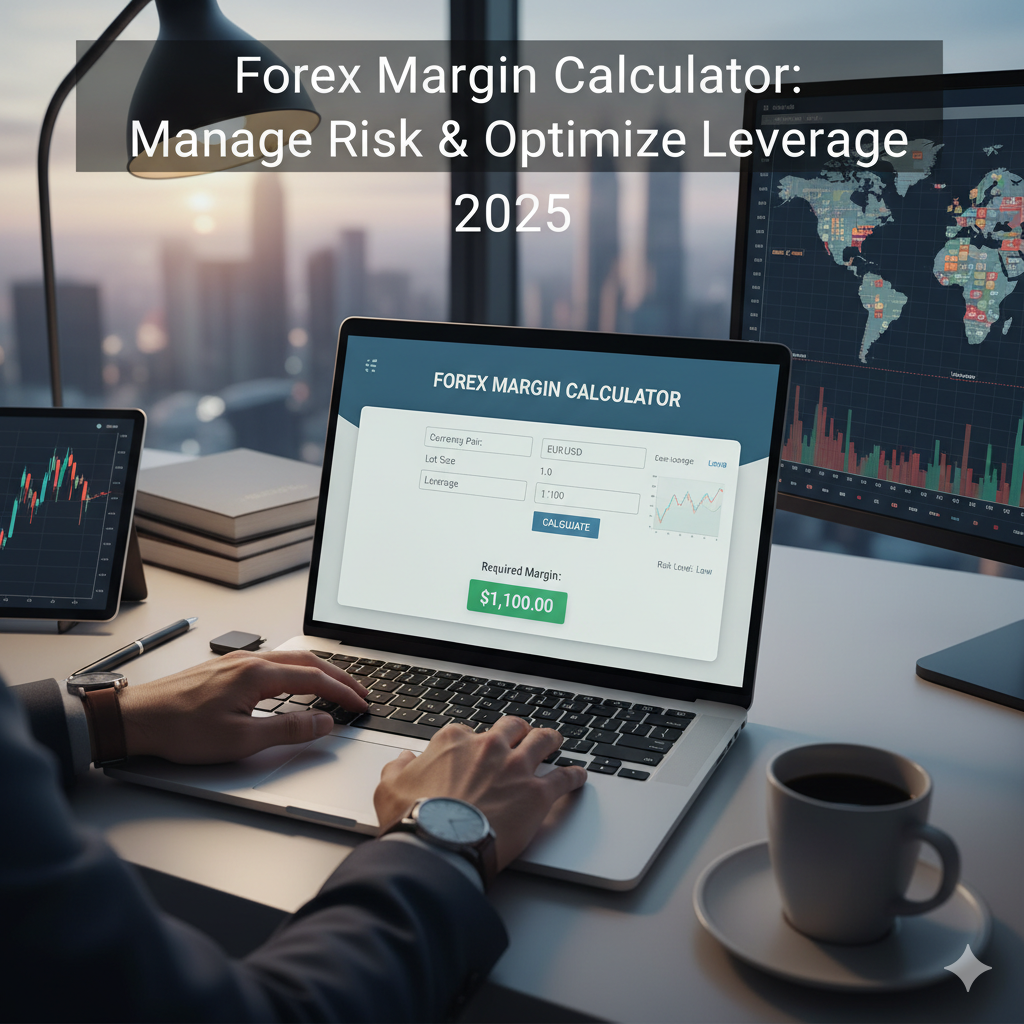

Trading may seem very easy at the surface level, but on closer examination, the calculation of the cost of trading cannot be overlooked. A trade involves more costs than expected, whether it is the brokerage and execution costs or the hidden trade costs that most traders fail to calculate. Unless you are computing these costs appropriately, your profits will appear good on paper and disappointing in reality. And that is the reason why the trading cost breakdown calculation would be crucial towards more informed and assertive trading choices.
A trading cost breakdown calculation is the process of identifying and calculating every expense involved in a trade including brokerage, spread, slippage, taxes, and regulatory fees — to determine the true net profit or loss.
Without this calculation, traders often overestimate their actual returns.
Quick summary
| Cost Component | It covers |
| Brokerage Fees | Flat or percentage-based charges paid to the broker per trade |
| Execution Fees | Bid-ask spread, slippage, and market impact during order execution |
| Taxes & Statutory Charges | STT, GST, exchange transaction fees, SEBI charges |
| Hidden Trading Costs | Wider spreads, poor execution, platform or data-related fees |
| Total Trading Cost | Combined impact of all visible and invisible trading expenses |
What Is the Trading Cost Breakdown Calculation?
The trading cost breakdown calculation assists the traders in knowing the actual price of a trade, which is a combination of brokerage, execution fee, and concealed trading expenses that affect the actual profits.
1. Brokerage Fees
Basic charges incurred by brokers are known as the brokerage fees and are normally inclusive of:
- Percentage-based brokerage
- Flat fee per trade
- Hidden cost models of zero brokerage.
2. Execution Fees
The costs of execution are based on the manner in which orders are satisfied on the market, and they include:
- Bid-ask spread
- Losing ground in an unsteady world.
- Large trades are affected by the market.
3. Taxes & Statutory Charges
These are compulsory levies on each trade, including:
- Securities Transaction Tax (STT).
- GST on brokerage
- Trading and regulatory charges.
4. Hidden Trading Costs
The hidden costs of trading are not readily apparent, but lower profits in the form of
- Slippage and poor execution
- Wider spreads
- The platform or data-related fee.

Trading Cost Breakdown Formula
Total Trading Cost =
Brokerage + Spread Cost + Slippage + STT + GST + Exchange Fees + SEBI Charges
Net Profit =
Gross Profit – Total Trading Cost
Step-by-Step: How To Do Your Trading Cost Breakdown Calculation
In order to make it simple, the calculation of the trading cost breakdown enables you to see the actual cost of a trade, which includes the costs of the actual execution of the trade and other hidden costs of the trade, before making judgments on profitability.
Indian Equity Day Trade: An example trade
You sell and purchase shares on the same day for 100,000 rupees. The breakdown of the costs is as follows:
| Charge | Rate | Amount |
| Brokerage | Flat ₹20 (buy) + ₹20 (sell) | ₹40 |
| STT (Sell Side) | 0.025% | ₹25 |
| Exchange Transaction Fees | ~0.00325% | ₹3.25 |
| SEBI Charges | Fixed | ₹2 |
| GST on Brokerage | 18% of ₹40 | ₹7.20 |
| Total Trading Cost | — | ₹77.45 |
Net Profit Impact Comparison
| Scenario | Gross Profit | Total Cost | Net Profit |
| Without cost calculation | ₹1,000 | Not counted | ₹1,000 |
| With full cost breakdown | ₹1,000 | ₹77.45 | ₹922.55 |
This simple comparison shows how small charges quietly reduce returns. Over hundreds of trades, the impact becomes significant.
Execution Fees & Hidden Trading Costs Naturally Eat Returns
An adequate calculation of the trading cost breakdown should cover both the execution fees and hidden trading costs, and not only the brokerage. Such expenses silently cut profits in the long run.
- In liquid markets, execution costs can be approximately 0.04% in magnitude.
- Slippage can reduce 1-3% of annual returns to active traders.
- Bid-ask spreads are the invisible cost that is charged on all trades.
This is why, when such costs are disregarded, it causes impractical profit expectations.

How Trading Tools & Calculators Help Simplify All This
The calculation tools for understanding the trade cost breakdown allow the visualization of the actual cost of trades, which are the execution fees and the hidden cost of trading.
What These Tools Do
- Present brokerage, taxes, and regulatory charges.
- Add a slide and market effect.
- Comparison of costs with brokers.
- Approximate expenditure per trade or annual expenditures.
Example Tools
- Brokerage cost calculators
- Annual cost estimators
- Execution cost analyzers
- Hidden cost finders
With these tools, you can be sure your calculation of the breakdown of the cost of trading will be reasonable and correct.
A proper trading cost breakdown calculator automatically computes all charges in seconds and shows your expected net result before you place the trade.

Tips to Optimize Your Trading Cost Breakdown Calculation
It begins with a clever calculation of the cost of trading breakdown to reduce the costs and enhance the profits. Here’s how:
1. Make Limit, Not Market Orders
Limit orders provide you with access to control the execution price and reduce the execution costs that are not visible.
2. Choose Brokers Wisely
A discount broker who charges a flat fee can be lower than a percentage-based broker when trading large sizes.
3. Computations of All Costs Pre-trading
Never buy or sell without first performing a complete calculation on the trading costs breakdown.
4. Across Brokers and Tools Compare
Compare the costs of brokers with tools; it demonstrates the actual deviation of the execution fee and hidden expenses.
5. Factor In Slippage
Expect to lose ground, particularly in unstable markets, and factor it into your calculation of the cost of trade.
Trending Insights & Market Data (2025–2026)
The trading cost breakdown calculation is now more significant than ever because the markets are changing.
- In regulated markets (such as U.S. equities), execution costs remained below 0.05% in 2025, demonstrating improved execution efficiency.
- Even the returns are lowered by latent trading expenses, such as slippage or undesirable bid-ask spreads on so-called zero-commission exchanges.
- Before trading, it is necessary to have a correct calculation of trading costs since more brokers are trading through subscription and dynamic pricing models.
How Trading Cost Breakdown Calculation Impacts Long-Term Portfolio Performance
The calculation of the trading cost breakdown affects long-term returns. Profits are quietly cut down by the small fees associated with execution and unseen trading expenses.
- Monitoring of costs will guarantee realistic profit expectations.
- A thousand and one small trades make a fortune—fees unaccounted for mean much out of annual profits.
- Trading tools and calculators can be used to predict long-term costs and strategize.
- Risk management and portfolio efficiency are enhanced through proper cost estimation.
FAQs:
Q1: What is a trading cost breakdown calculation tool?
It is a calculator or software that approximates all the fees and the costs of a trade, including those that are visible, such as the visible brokerage, and those that are not visible, such as the cost of execution.
Q2: Does the trading cost calculation include hidden trading costs?
Yes, the finest tools also allow you to add variables such as slip and bid-ask spreads, so you have your breakdown.
Q3: What are execution fees?
Execution fees are used to denote the costs that are incurred in the course of the trade fill, which encompass the market impact and the liquidity cost, in addition to the commission paid to the broker.
Q4: How can I reduce trading costs overall?
Limit orders, find cost-effective brokers, and trade less often where appropriate, and always have a complete cost breakdown running before placing a trade.
Q5: Are “zero commission” brokers really zero cost?
They often cannot—they can impose it in terms of execution costs through the spread practices, slippage practices, and order routing practices. This is the reason why cost breakdown calculators are important!
Conclusion
Understanding the breakdown calculation is one of the concepts that an aspiring trader must comprehend. The cost of taking performance is that disregarding the cost of execution or the cost of other trading activities can silently reduce profits, despite a trade appearing to have made money on paper. Trading tools & calculators make you see the entire picture, compare brokers, and make better plans to trade.
Considering all the costs, you make more realistic choices, ensure your returns, and maximize the performance of long-term portfolios. It is not a matter of choice to have proper cost calculation but an obligatory part of contemporary trading. Now don’t guess your profits. Use InsightfulTrade’s Trading Cost Breakdown Calculation tools to uncover hidden fees, compare brokers, and trade smarter with real, data-driven clarity today.
Author: Arihant Jain
Trading Experience: 5+ Years
Arihant Jain is a financial markets analyst and trading educator with expertise in Forex, indices, crypto, and risk-managed trading systems. His insights are based on real trading experience, data-driven analysis, and transparent market understanding. All content is reviewed for accuracy and aligns with Google’s EEAT guidelines.
Risk Disclaimer:
Trading involves substantial risk. All information is for educational purposes only and should not be taken as financial advice. Always do your own research.
Data references: SEBI fee structure, NSE/BSE transaction charges (latest circulars).
Last Updated: 12 February 2026