 Global supply chains are the backbone of international trade, connecting manufacturers, suppliers, transportation networks, and consumers across continents. When these systems function smoothly, global commerce flows efficiently. However, disruptions caused by pandemics, geopolitical conflicts, natural disasters, labor shortages, or transportation bottlenecks can significantly impact economies and financial markets.
For forex traders, understanding the supply chain forex impact is becoming increasingly important. Supply chain disruptions influence exchange rates, inflation expectations, commodity prices, and investor sentiment. They also create opportunities in global trade volatility, affect inflation trading, drive changes in commodity prices forex, and contribute to broader economic uncertainty across financial markets.
This comprehensive guide explores how supply chain disruptions influence forex markets and how traders can adapt their strategies to capitalize on changing market conditions.
Understanding the Supply Chain Forex Impact
The supply chain forex impact refers to the influence that disruptions in global production, transportation, and distribution networks have on currency markets.
Modern economies depend heavily on international trade. Raw materials may be sourced from one country, manufactured in another, and sold globally. When any link in this chain breaks down, economic activity can slow significantly.
The resulting supply chain forex impact often appears through changes in trade balances, inflation levels, economic growth expectations, and investor confidence.
Forex traders who understand the supply chain forex impact can better anticipate market reactions and identify emerging opportunities before they become widely recognized.
As globalization continues to evolve, the importance of understanding the supply chain forex impact continues to grow.
Why Supply Chain Disruptions Matter for Forex Traders
Supply chain disruptions influence nearly every aspect of the global economy.
When goods become difficult to produce or transport, shortages emerge. These shortages often increase costs for businesses and consumers.
As a result, global trade volatility increases, economic forecasts change, and currency markets react.
Periods of disruption frequently create elevated economic uncertainty, which can trigger significant capital flows across global financial markets.
Forex traders who monitor supply chain developments gain valuable insights into future market trends and potential currency movements.
Understanding these relationships is essential for effective inflation trading and broader macroeconomic analysis.
Global Trade Volatility and Currency Markets
One of the most immediate effects of supply chain disruptions is increased global trade volatility.
Trade flows become less predictable when shipping routes are interrupted, production facilities are closed, or raw materials become scarce.
This rise in global trade volatility often affects countries that depend heavily on exports or imports.
Currencies linked to international trade may experience larger fluctuations as investors reassess economic prospects.
Periods of heightened global trade volatility can create opportunities for forex traders who understand how trade relationships influence exchange rates.
Monitoring trade data and shipping trends can provide valuable clues about future market direction.
Supply Chain Forex Impact on Major Economies
The supply chain forex impact varies depending on the structure of each economy.
Export-oriented countries may experience greater challenges when production slows or transportation costs rise.
Import-dependent nations may face higher inflation and reduced consumer purchasing power.
These developments contribute to broader economic uncertainty and influence central bank decisions.
The supply chain forex impact is particularly visible in economies with strong manufacturing sectors, where production delays can significantly affect economic growth.
Forex traders should evaluate how disruptions influence both domestic and international economic activity.
Inflation Trading During Supply Chain Disruptions
One of the most important consequences of supply chain disruptions is rising inflation.
When goods become scarce, prices often increase.
This creates opportunities for inflation trading because central banks frequently respond to rising inflation through monetary policy adjustments.
Successful inflation trading requires understanding how supply shortages influence consumer prices and interest rate expectations.
Periods of persistent inflation often affect currency valuations because higher interest rates can attract foreign investment.
Many traders closely monitor inflation reports when evaluating the supply chain forex impact on financial markets.
Understanding inflation dynamics is critical for long-term trading success.
Commodity Prices Forex and Supply Chain Challenges
Supply chain disruptions frequently influence commodity markets.
Shortages of energy, metals, agricultural products, and industrial materials can cause significant price increases.
As a result, commodity prices forex relationships become increasingly important during periods of disruption.
Countries that export commodities may benefit from rising prices, while import-dependent nations may face economic challenges.
Understanding commodity prices forex dynamics helps traders identify opportunities linked to resource-producing economies.
Many professional traders incorporate commodity prices forex analysis into broader macroeconomic trading strategies.
Changes in commodity markets often provide early signals regarding future currency movements.
Economic Uncertainty and Investor Sentiment
Periods of supply chain disruption often generate significant economic uncertainty.
Businesses may struggle to forecast production, consumers may face rising prices, and policymakers may confront difficult economic decisions.
This heightened economic uncertainty can influence investor sentiment and create volatility across financial markets.
During periods of uncertainty, investors often seek safer assets and reduce exposure to higher-risk currencies.
Understanding how economic uncertainty affects capital flows can improve trading decisions and risk management.
Many successful forex traders closely monitor sentiment indicators during periods of market stress.
How Central Banks Respond to Supply Chain Problems
Central banks play a crucial role in managing the economic consequences of supply chain disruptions.
Rising inflation often forces policymakers to consider tighter monetary policy.
These decisions can significantly influence the supply chain forex impact on currency markets.
Interest rate adjustments, inflation forecasts, and economic outlooks all affect exchange rates.
For traders involved in inflation trading, central bank communication provides essential information.
Monitoring policy developments helps traders anticipate potential market reactions and identify trading opportunities.
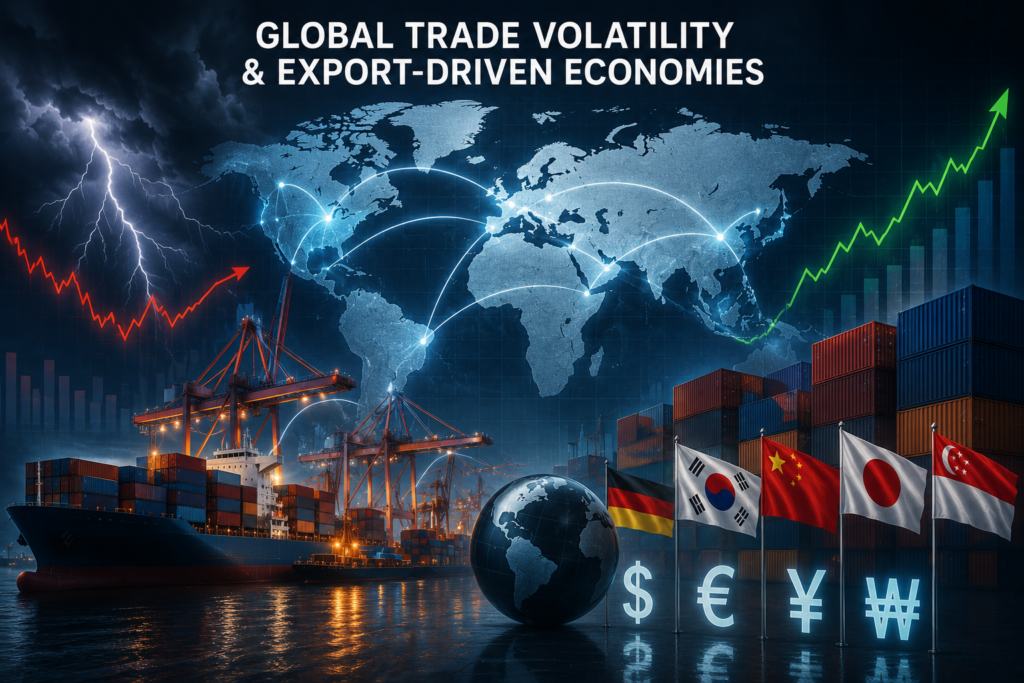
Global Trade Volatility and Export-Driven Economies

Countries with strong export sectors often experience substantial effects from global trade volatility.
Manufacturing hubs may face production delays, shipping challenges, and reduced export revenues.
These disruptions contribute to broader economic uncertainty and may influence currency valuations.
Forex traders should pay particular attention to economies that depend heavily on international trade.
Understanding how global trade volatility affects economic performance can improve forecasting accuracy.
Trade data often provides valuable insight into future currency trends.
Commodity Prices Forex and Energy Markets
Energy markets play a major role in commodity prices forex relationships.
Oil, natural gas, and other energy commodities often experience significant price fluctuations during supply chain disruptions.
These changes can influence inflation, trade balances, and economic growth.
Countries that export energy may benefit from rising prices, while importers may face increased costs.
Understanding commodity prices forex interactions helps traders evaluate broader market conditions.
Many successful macro traders closely monitor energy markets when assessing currency opportunities.
Inflation Trading and Interest Rate Expectations
Interest rates are one of the most important drivers of currency markets.
As supply chain disruptions contribute to inflationary pressures, central banks may adjust policy accordingly.
This creates opportunities for inflation trading because changes in interest rate expectations often influence exchange rates.
Successful inflation trading requires monitoring economic data, central bank communications, and market forecasts.
Understanding the relationship between inflation and monetary policy helps traders anticipate future currency movements.
High-Volume Related Keywords for Supply Chain Forex Trading
In addition to the primary keywords, traders frequently search for related topics such as:
Forex inflation strategy.
Global trade analysis.
Supply chain crisis.
Commodity currency trading.
Economic slowdown forex.
Currency market volatility.
Trade disruption investing.
Inflation and interest rates.
Macro forex trading.
Global economic outlook.
These related keywords complement supply chain forex impact, global trade volatility, inflation trading, commodity prices forex, and economic uncertainty while helping traders gain a broader understanding of market dynamics.
Common Mistakes Traders Make During Supply Chain Crises
One common mistake is ignoring the broader supply chain forex impact when analyzing currency markets.
Some traders focus exclusively on technical analysis while overlooking macroeconomic developments.
Others underestimate the importance of global trade volatility and its influence on currency valuations.
Many traders fail to adapt their strategies during periods of elevated economic uncertainty.
Ignoring commodity market trends can also reduce the effectiveness of commodity prices forex analysis.
Successful traders combine multiple perspectives to develop a comprehensive market view.
Conclusion
Global supply chain disruptions have become one of the most influential factors affecting modern financial markets. Understanding the supply chain forex impact, monitoring global trade volatility, implementing effective inflation trading strategies, analyzing commodity prices forex relationships, and adapting to periods of economic uncertainty can help traders navigate challenging market conditions.
As global economies become increasingly interconnected, supply chain developments will continue to play an important role in shaping currency markets. Traders who understand these relationships will be better positioned to identify opportunities, manage risk, and adapt to changing economic conditions.
Frequently Asked Questions
What is the supply chain forex impact?
The supply chain forex impact refers to how disruptions in production, transportation, and global trade influence currency markets and exchange rates.
Why does global trade volatility affect forex markets?
Global trade volatility influences economic growth, trade balances, and investor sentiment, all of which affect currency valuations.
What is inflation trading?
Inflation trading involves analyzing inflation trends and central bank responses to identify opportunities in financial markets.
How do commodity prices affect forex markets?
Commodity prices forex relationships influence currencies because changes in resource prices affect trade balances, inflation, and economic performance.
Why does economic uncertainty increase forex volatility?
Economic uncertainty causes investors to reassess risk, resulting in larger capital flows and increased market volatility.
Which currencies are most affected by supply chain disruptions?
Currencies from export-driven economies and commodity-producing countries often experience the greatest supply chain forex impact.
How can traders prepare for supply chain-related market changes?
Traders can improve results by monitoring global trade volatility, following inflation data, analyzing commodity prices forex trends, and evaluating broader economic uncertainty conditions.