Understanding the Strategic Importance of the Strait of Hormuz
The Strait of Hormuz impact on forex markets is one of the most closely watched developments by traders, investors, and central banks worldwide. The Strait of Hormuz serves as a critical maritime route connecting major oil-producing nations in the Middle East to global markets. Nearly one-fifth of the world’s oil supply passes through this narrow waterway, making it a significant factor in determining global energy prices, investor confidence, and international trade flows.
Whenever tensions rise in the region, financial markets experience uncertainty, and traders begin reassessing risk exposure. However, when the waterway reopens fully after disruptions or geopolitical concerns ease, market participants often react positively. Understanding the Strait of Hormuz impact on forex becomes essential because changes in energy supply routes directly influence exchange rates, trade balances, inflation expectations, and global investment sentiment.
The reopening of the strait can create a ripple effect across various asset classes, but its influence on foreign exchange markets is particularly significant. Traders closely monitor developments because the Strait of Hormuz impact on forex can affect both major and emerging market currencies through changes in oil supply expectations and global economic stability.
Why Forex Markets React to Geopolitical Developments
Foreign exchange markets are highly sensitive to geopolitical events because currencies reflect the economic health and future outlook of countries. When uncertainty surrounds major energy routes, investors often shift capital toward safe-haven currencies. Conversely, the reopening of a critical trade route can encourage risk-taking behavior and support growth-oriented currencies.
The Strait of Hormuz impact on forex extends beyond the Middle East. Countries heavily dependent on imported oil, such as India, Japan, and many European nations, can benefit from stable energy prices. Meanwhile, oil-exporting economies often experience shifts in currency valuations depending on market expectations regarding future oil demand and pricing.
Market participants analyzing the Strait of Hormuz impact on forex frequently assess economic indicators, central bank policies, and global trade flows. Currency valuations respond quickly when geopolitical risks diminish because investors anticipate smoother economic activity and reduced disruptions to international commerce.
The Relationship Between Oil Prices and Currency Movements
Oil prices play a crucial role in determining exchange rate movements across the globe. A stable and accessible Strait of Hormuz generally improves confidence in global oil supply chains, reducing fears of shortages and excessive price spikes.
This connection is particularly important when evaluating commodity currencies, oil and forex correlation. Commodity-exporting nations often see their currencies strengthen when energy demand remains strong and supply chains operate efficiently. At the same time, countries that rely heavily on energy imports may experience lower inflationary pressures when oil prices stabilize.
The interaction between commodity currencies, oil and forex correlation becomes more visible during periods of geopolitical change. Currency pairs involving commodity exporters frequently respond to shifts in oil prices because export revenues directly influence economic growth and government finances.
Investors studying commodity currencies, oil and forex correlation recognize that the reopening of a major oil transportation route can reduce uncertainty, encourage investment flows, and influence monetary policy expectations across multiple economies.
Effects on the U.S. Dollar
The U.S. dollar often behaves differently depending on the nature of global events. During periods of uncertainty, investors frequently seek the dollar as a safe-haven asset. However, when tensions ease and confidence improves, capital may flow toward higher-yielding or growth-oriented currencies.
The Strait of Hormuz impact on forex can therefore create mixed outcomes for the dollar. On one hand, reduced geopolitical risks may lower demand for safe-haven assets. On the other hand, improved economic stability can support global trade and investment, indirectly benefiting the U.S. economy.
Traders evaluating the Strait of Hormuz impact on forex often compare the dollar’s performance against commodity-linked currencies and emerging market currencies. The balance between risk sentiment and economic fundamentals ultimately determines the direction of the greenback.
Implications for the Canadian Dollar and USD/CAD
One of the most closely watched currency pairs during oil-related developments is USD/CAD. Canada is a major oil exporter, and fluctuations in crude prices often influence the Canadian dollar.
Comprehensive USD/CAD analysis becomes essential when examining the effects of a Strait of Hormuz reopening. If oil prices stabilize while demand remains healthy, the Canadian economy may benefit from consistent export revenues. This could strengthen the Canadian dollar relative to the U.S. dollar.
Professional traders conduct extensive USD/CAD analysis by evaluating crude oil trends, economic data releases, and central bank decisions. The reopening of a key energy route can alter expectations regarding future oil supply, making USD/CAD analysis a critical component of forex trading strategies.
Additionally, ongoing USD/CAD analysis helps traders identify opportunities arising from changing risk sentiment and shifts in global energy markets.
Market Volatility and Investor Sentiment
The reopening of the Strait of Hormuz often reduces uncertainty in financial markets. Lower geopolitical risk typically encourages investors to move capital into riskier assets, including equities, emerging market currencies, and commodity-linked currencies.
However, periods following major geopolitical events can still experience substantial market volatility. Traders may react differently depending on economic data, oil inventory reports, and central bank commentary.
The relationship between the Strait of Hormuz impact on forex and market volatility is particularly important because currency prices can experience rapid fluctuations as investors adjust positions. Even positive developments may create temporary uncertainty while markets reassess future expectations.
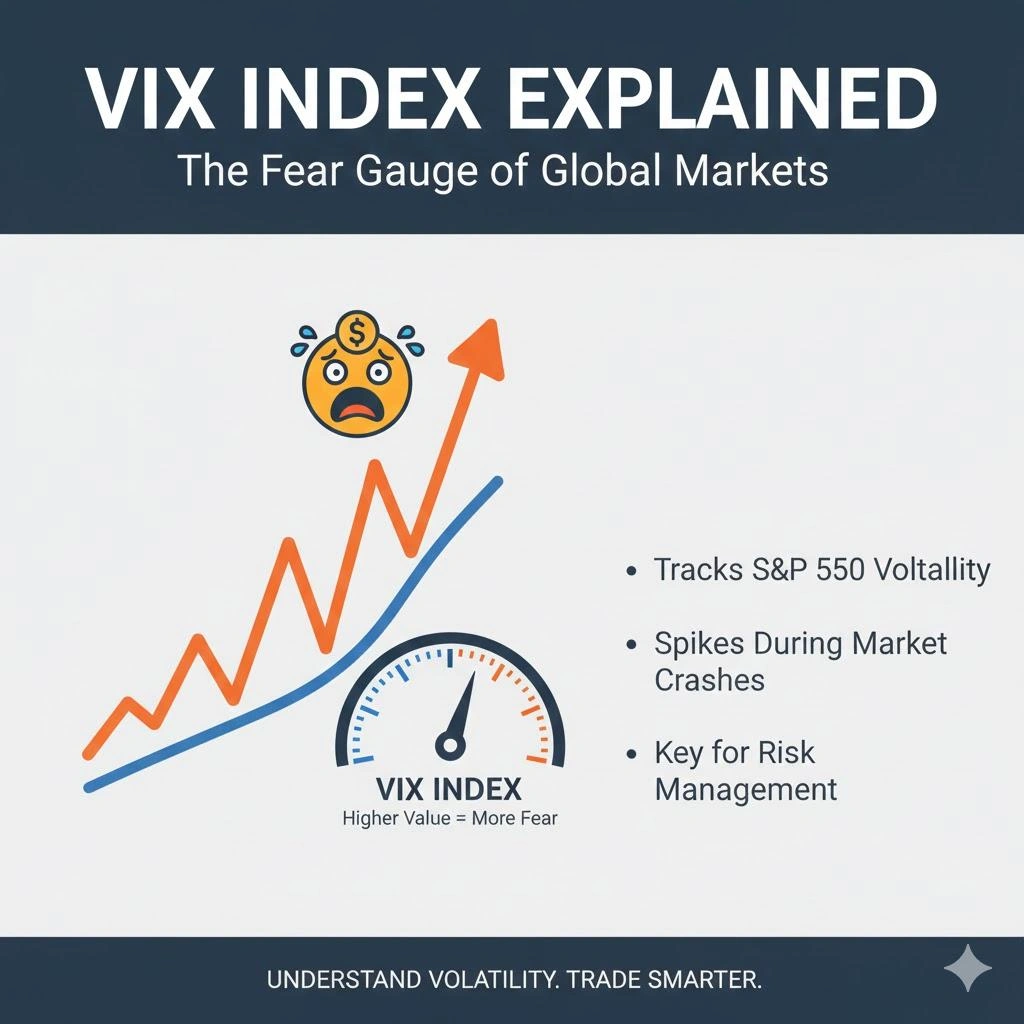
Understanding market volatility helps traders manage risk effectively. Monitoring market volatility alongside energy market developments can provide valuable insights into potential currency movements.
Commodity Currencies and Their Response
Commodity-linked currencies such as the Canadian dollar, Australian dollar, and Norwegian krone often react strongly to developments affecting energy and raw material markets.
The concept of commodity currencies, oil and forex correlation becomes especially relevant when geopolitical tensions subside. Stable transportation routes can support global economic growth, encouraging demand for commodities and strengthening related currencies.
Investors frequently study commodity currencies, oil and forex correlation to identify potential opportunities in the forex market. Changes in oil supply expectations can influence export revenues, trade balances, and investment flows, all of which affect currency performance.
As markets adapt to improved conditions, the connection between commodity currencies, oil and forex correlation often becomes more pronounced, providing valuable trading signals for market participants.
Economic Growth and Global Trade Benefits

The reopening of a critical shipping route can contribute positively to global economic activity. Reduced transportation risks often support international trade, improve business confidence, and encourage investment.
These developments influence the Strait of Hormuz impact on forex because stronger economic activity can affect interest rate expectations and currency valuations. Countries benefiting from lower energy costs may experience improved economic performance, while exporters can benefit from smoother trade operations.
Investors evaluating the Strait of Hormuz impact on forex often consider broader economic trends, including manufacturing activity, consumer spending, and trade balances. The resulting shifts in capital flows can create significant opportunities within currency markets.
A sustained reduction in geopolitical concerns may also support long-term growth prospects, further amplifying the Strait of Hormuz impact on forex across multiple regions.
Central Bank Reactions and Monetary Policy Expectations
Central banks closely monitor energy prices because they influence inflation and economic growth. A stable Strait of Hormuz can help moderate oil price fluctuations, potentially reducing inflationary pressures in energy-importing countries.
This development may influence interest rate decisions, which are major drivers of currency valuations. Forex traders pay close attention to policy statements and economic projections when assessing future market direction.
The Strait of Hormuz impact on forex becomes increasingly important when central banks adjust monetary policy based on changing inflation expectations. Lower energy costs can provide policymakers with greater flexibility, affecting interest rate differentials between currencies.
As a result, the Strait of Hormuz impact on forex remains a key consideration for traders seeking to understand long-term market trends.
Future Outlook for Forex Traders
Looking ahead, traders should continue monitoring developments related to energy transportation routes, geopolitical stability, and global economic performance. While the reopening of the Strait of Hormuz can improve market sentiment, numerous factors continue to influence currency valuations.
Successful trading requires understanding the interaction between the Strait of Hormuz impact on forex, commodity currencies, oil and forex correlation, USD/CAD analysis, and market volatility. These factors collectively shape currency market behavior and influence trading opportunities.
The future direction of forex markets will depend on how global energy supply chains evolve, how central banks respond to economic conditions, and how investors interpret changing geopolitical risks. Nevertheless, the Strait of Hormuz impact on forex will remain a crucial topic for traders seeking to navigate international currency markets effectively.
Conclusion
The reopening of the Strait of Hormuz has far-reaching implications for global financial markets, particularly foreign exchange trading. The Strait of Hormuz impact on forex extends beyond oil prices, influencing investor confidence, trade flows, inflation expectations, and monetary policy decisions.
Understanding commodity currencies, oil and forex correlation enables traders to identify potential opportunities among resource-linked currencies. Detailed USD/CAD analysis provides valuable insight into how oil market developments affect one of the world’s most actively traded currency pairs. Meanwhile, monitoring market volatility helps traders navigate periods of uncertainty and capitalize on changing market conditions.
As global markets continue responding to geopolitical developments, traders who understand these interconnected relationships will be better positioned to make informed decisions and manage risk effectively in the evolving forex landscape.