
Introduction
The global economy is more interconnected than ever before, and decisions made by the world’s leading economies can have a significant influence on financial markets worldwide. Among the most closely watched international meetings are the discussions involving the G4 economies, where policymakers address issues such as economic growth, inflation, trade, monetary policy, investment, and global financial stability. These discussions often shape investor expectations and influence capital flows across emerging markets, including India.
Understanding the G4 summit impact on Indian market has become increasingly important for investors, traders, and policymakers. Major announcements from these economies can affect everything from foreign institutional investment to currency movements and sector-specific performance in Indian equities. Investors closely analyze these developments to determine how they might influence the Nifty, Sensex, and broader market sentiment.
The Nifty outlook often changes following major international policy announcements because global investors adjust their portfolios based on perceived opportunities and risks. Similarly, a detailed Sensex analysis helps market participants understand how various sectors respond to international economic developments. Since India continues to attract significant foreign investment India, global confidence plays a crucial role in sustaining long-term market growth. Moreover, strong economic growth remains one of the key factors determining India’s resilience during periods of global uncertainty.
This article explores how G4 economic decisions influence the Indian stock market and why investors should pay close attention to these international developments.
Understanding the G4 Summit and Its Global Importance
The G4 economies are among the world’s largest and most influential economic powers. Their discussions often focus on inflation control, interest rate policies, trade agreements, financial regulations, climate investments, technological cooperation, and geopolitical challenges. Although these meetings do not directly dictate India’s economic policies, their decisions frequently shape global investment trends.
The G4 summit impact on Indian market becomes visible whenever international investors adjust their exposure to emerging economies after major policy announcements. Markets typically react immediately as traders interpret whether the outcomes are favorable or unfavorable for global growth.
India’s stock market is deeply integrated with international financial systems. Therefore, decisions taken by developed economies often influence liquidity, currency movements, and investor confidence across Indian financial markets.
Why Global Economic Decisions Matter for Indian Investors
Indian markets are increasingly connected to global financial systems through foreign institutional investors, multinational corporations, and international trade. When global economic policies change, Indian markets often experience corresponding movements.
The Nifty outlook depends not only on domestic corporate earnings but also on global economic stability. If major economies signal stronger growth and stable monetary policies, investor confidence generally improves, leading to increased buying activity.
Likewise, a detailed Sensex analysis often reveals that sectors such as banking, IT, pharmaceuticals, and automobiles react differently depending on international developments. Export-oriented companies may benefit from stronger global demand, while import-dependent businesses may face challenges if global commodity prices rise.
Interest Rate Decisions and Their Influence
One of the biggest factors discussed during G4 meetings involves monetary policy and interest rates. Central banks continuously evaluate inflation and economic growth before adjusting benchmark rates.
Higher global interest rates often encourage investors to move capital toward developed markets, reducing capital inflows into emerging economies. This directly affects the G4 summit impact on Indian market by creating temporary volatility.
A changing Nifty outlook frequently reflects investor expectations regarding future liquidity. Lower global interest rates generally support equity markets by increasing investment in higher-growth economies such as India.
From a Sensex analysis perspective, banking and financial companies often react strongly because borrowing costs influence lending, investment, and corporate profitability.
Foreign Investment and Capital Flows
India has become one of the most attractive destinations for global investors due to its expanding economy, digital transformation, and demographic advantages.
Changes in foreign investment India often follow important global policy announcements. Positive economic cooperation among major economies increases confidence and encourages international funds to allocate more capital toward emerging markets.
When investors expect stable global growth, the G4 summit impact on Indian market usually becomes positive because foreign institutional investors increase their participation in Indian equities.
Higher levels of foreign investment India improve market liquidity, strengthen the rupee, and support higher valuations across multiple sectors.
Impact on Economic Growth
Global economic policies significantly influence domestic expansion by affecting exports, investments, supply chains, and industrial production.
Strong international cooperation supports economic growth by improving global trade conditions. India benefits from increased exports, higher manufacturing activity, and improved investment opportunities.
The Nifty outlook generally strengthens when global economic growth accelerates because corporate earnings expectations improve.
Similarly, Sensex analysis often shows stronger performance among cyclical sectors during periods of expanding global demand.
Long-term economic growth also attracts additional institutional investment, further supporting stock market performance.
Currency Movements and Their Market Impact
Currency fluctuations play a vital role in determining corporate profitability.
If G4 decisions strengthen the US dollar, emerging market currencies, including the Indian rupee, may weaken. This directly contributes to the G4 summit impact on Indian market by influencing import costs and foreign capital flows.
A weaker rupee may benefit exporters, particularly IT and pharmaceutical companies, while increasing expenses for businesses dependent on imported raw materials.
Changes in exchange rates also influence the Nifty outlook, especially for multinational corporations with significant overseas revenue.
Sector-Wise Impact on the Indian Stock Market
Different sectors respond differently to international economic decisions.
Banking stocks benefit when investor confidence improves and credit demand increases. Technology companies often react positively to stronger global business activity. Pharmaceutical companies may benefit from increased international healthcare spending.
Manufacturing businesses gain when international trade expands, while infrastructure companies benefit from rising investment activity.
The Sensex analysis frequently highlights sector rotation after major international announcements as investors shift toward industries expected to perform better under changing economic conditions.
Meanwhile, increased foreign investment India often supports sectors with strong long-term growth potential, including renewable energy, financial services, manufacturing, and digital technology.
Trade Policies and Export Opportunities
Trade agreements announced during international meetings can reshape global supply chains.
The G4 summit impact on Indian market becomes especially noticeable when trade barriers are reduced or international cooperation improves. Indian exporters gain access to larger markets, increasing corporate revenues.
The Nifty outlook generally improves when export-oriented industries anticipate stronger international demand.
Growing exports contribute directly to economic growth, creating employment opportunities while improving corporate profitability across multiple sectors.
Inflation and Commodity Prices

Inflation remains one of the most closely monitored economic indicators worldwide.
Higher commodity prices increase production costs for many Indian companies, reducing profit margins. Conversely, stable inflation supports consumer spending and business investment.
The Sensex analysis often reflects these changing cost structures as investors evaluate company earnings.
Inflation expectations also influence foreign investment India, since international investors generally prefer economies demonstrating stable price growth and responsible monetary policies.
Strong inflation management supports sustainable economic growth, benefiting long-term equity investors.
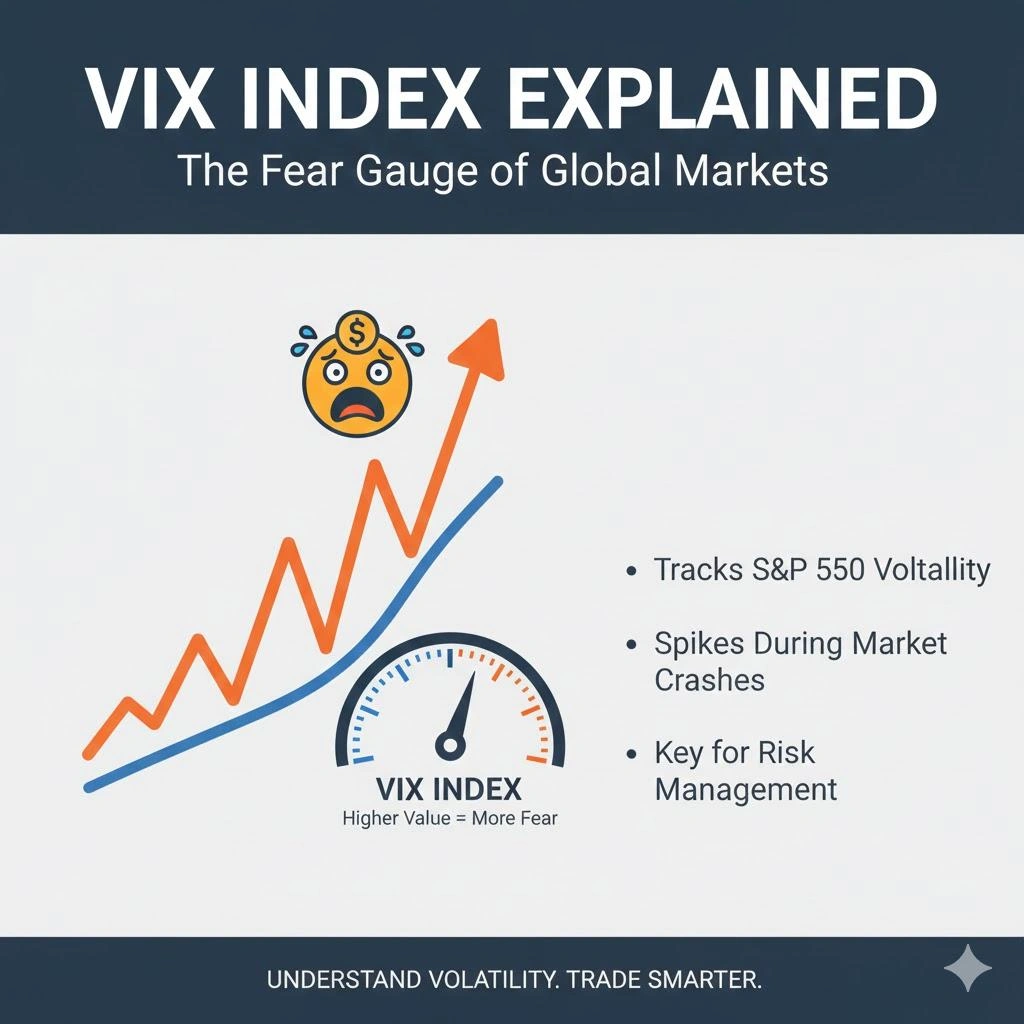
Investor Psychology and Market Volatility
Financial markets respond not only to economic fundamentals but also to investor expectations.
Positive international announcements usually encourage buying activity, while unexpected policy changes may create short-term uncertainty.
The G4 summit impact on Indian market often becomes visible within hours of major announcements as traders adjust their positions.
Changes in the Nifty outlook frequently reflect shifts in market sentiment rather than immediate economic outcomes.
Experienced investors understand that temporary volatility does not necessarily change India’s long-term investment potential.
Long-Term Opportunities for Indian Investors
Although short-term volatility may occur after international economic meetings, India’s long-term fundamentals remain strong.
Growing domestic consumption, infrastructure development, manufacturing expansion, and digital innovation continue supporting economic growth.
Increasing foreign investment India demonstrates global confidence in the country’s long-term prospects.
A balanced Sensex analysis suggests that quality companies with strong fundamentals usually outperform over longer investment horizons despite temporary global uncertainties.
Similarly, the Nifty outlook remains favorable over the long run when supported by rising corporate earnings and sustained economic reforms.
Risk Factors Investors Should Watch
Despite positive long-term trends, investors should remain aware of several risks.
Unexpected monetary tightening, geopolitical conflicts, trade restrictions, energy price shocks, and slowing global demand may all influence the G4 summit impact on Indian market.
Monitoring international developments helps investors make informed decisions while maintaining diversified portfolios.
Understanding changing patterns in foreign investment India also provides valuable insight into institutional confidence and future market direction.
Strong economic growth can help offset many external challenges, but investors should continue monitoring both domestic and international economic indicators.
Conclusion
Global economic decisions increasingly shape financial markets across the world, making international policy discussions highly relevant for Indian investors. The G4 summit impact on Indian market extends beyond short-term market volatility, influencing capital flows, corporate earnings, sector performance, and investor confidence.
A careful Nifty outlook allows investors to understand changing market expectations, while detailed Sensex analysis provides insights into sector-specific opportunities and risks. Rising foreign investment India continues to highlight the country’s attractiveness as one of the world’s fastest-growing major economies. Supported by consistent reforms, expanding industries, and resilient domestic demand, India’s economic growth remains a strong foundation for long-term stock market performance.
Investors who stay informed about both domestic developments and international economic decisions are better positioned to manage risks and capitalize on emerging opportunities in the Indian stock market.