Quick Summary
Have you ever been confused by a stop-loss order, a limit order, or a market order? Then you are not alone. Understanding Forex order types is very crucial for a beginner to become a confident trader. It helps you in avoiding emotional decision-making and managing risk in your trading.
In this guide, you’ll not only learn about forex order types. You’ll exactly understand how it works and how choosing the right order type ensures smoother execution for forex trading. Let’s explore more together.
What Are Forex Order Types, and Why Do They Matter for Traders?
As a trader, the instructions given by you to your brokers to enter, manage, or exit trades are known as forex order types that control risk and help in automating decisions. Understanding these order types is important for traders because it protects their capital, even when they’re not actively trading. Here are some of the orders:
- Market Order
- Limit Order
- Stop-loss Order
- Take-profit Order
- Stop-entry orders
- Trailing stops
Let’s see why these orders matter:
- These are highly volatile
- Maintains discipline, reduces risk, and executes strategies
- Shield traders from unpredictable price spikes and slippage.
- Reduce guesswork and emotional decision-making.
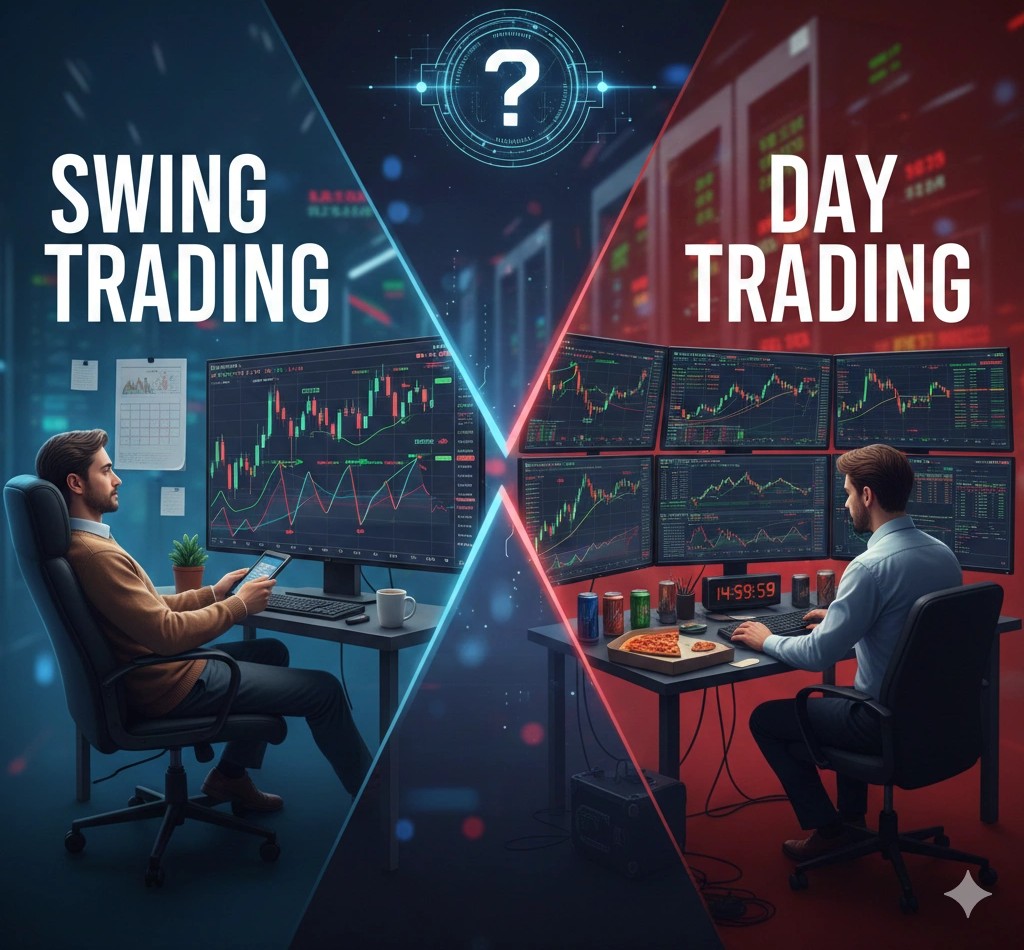
What is GTC (Good Till Cancelled) vs. GFD (Good For Day)?
| Order Type | Meaning | Best Use |
| GTC | Stays active until cancel by you | Swing Trading |
| GFD | When day ends, it cancels | Day Trading |
How Does a Market Order Work in Forex Trading?
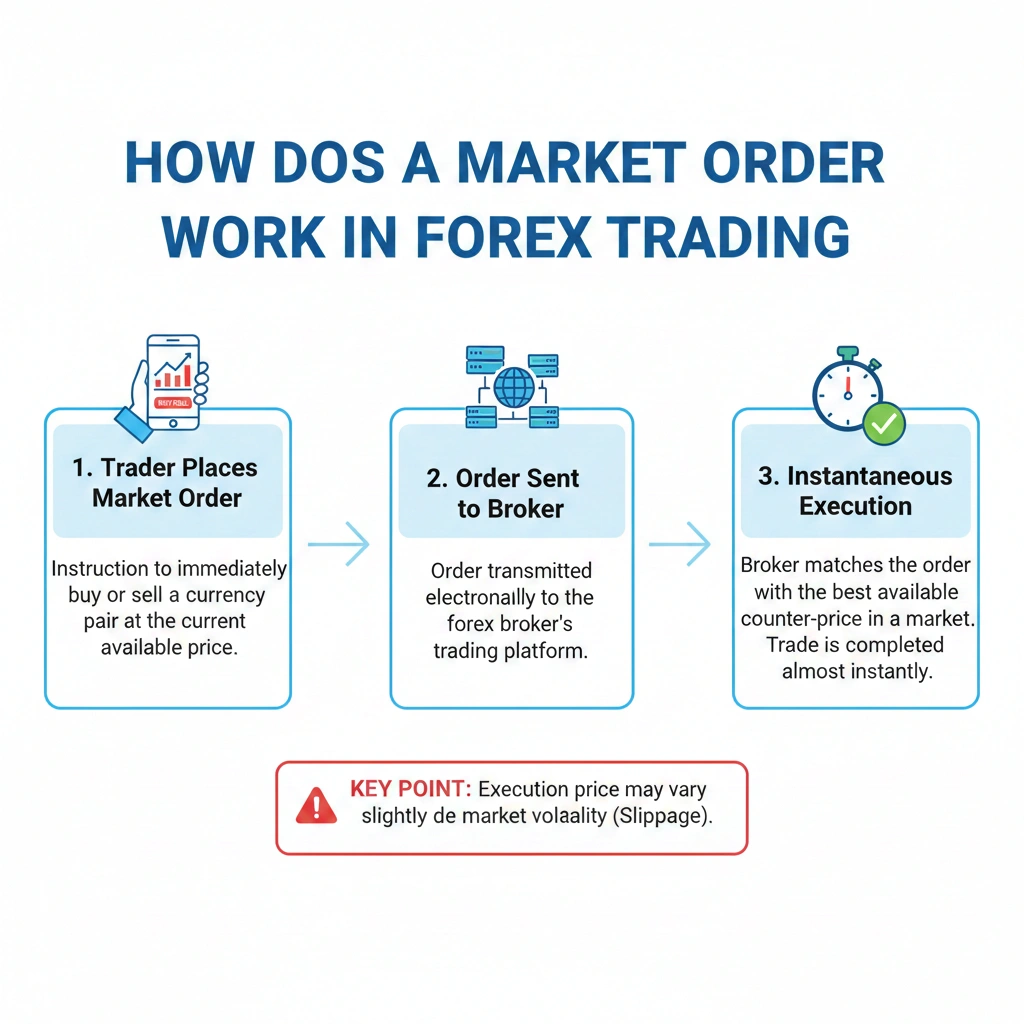
Here’s a market order explanation to clear your thoughts on market orders. A market order is an instruction to buy or sell immediately at the current market price and is perfect for day traders and scalpers.
- It is based on the bid price for sell trades and the ask price for buy trades.
- Where prices change rapidly, they’re less suitable.
- You can use these orders during high-momentum breakouts or when you want to catch a fast move.
- It is simple for beginners and helps you in instant execution.
What Is a Stop Order, and How Is It Different from Limit Orders?
First of all, we see what a stop order is. It is a type of forex order that is active when the market reaches your trigger level. Limit vs. stop order usage mainly depends on whether you want a better price or a price confirmation. Understanding limit vs stop order usage can help you to align entries with market structure and strategy.
There are two types of stop orders:
- Buy Stop: which is above the current price
- Sell Stop: which is below the current price
It is perfect for trend continuation setups and helps you trade breakouts.
Looking for an example:
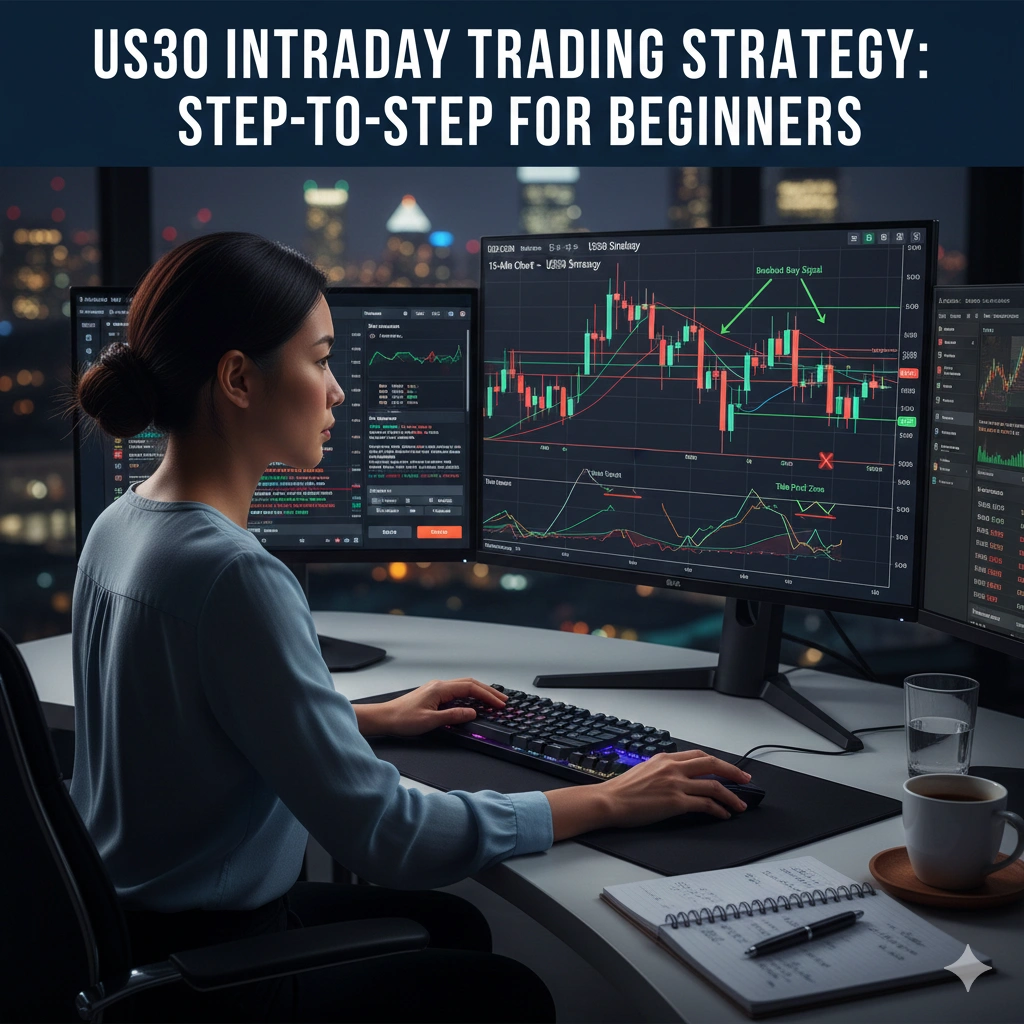
US30 trading at 38,600
And you expect a breakout at 38,750
Then you can set a Buy Stop at 38,750
At the time the price hits 38,750, your buy will automatically activate.
How Does a Take-Profit Order Work in Forex?
It is an automated instruction that helps you lock gains by closing any trade once the price reaches a predefined profit level.
As an illustration, if you buy EUR/USD at 1.0900 and your take-profit is 1.0950. In this case, your profit is 50 pips
Formula for Pip profit
Pip Profit = (Exit price – Entry Price) / Pip value
The value for pip is $10/pip in EUR/USD standard lot
What Is a Trailing Stop, and Why Do Experienced Traders Use It?
Again, a dynamic tool for risk management in your trade. As the trade becomes profitable for you, it will automatically move the stop-loss level. Experienced traders use this because it lets trades run, locks profit, reduces emotional exits, and helps capture larger trend-based moves.
How is it beneficial?
- When the market is in your favor, it automatically locks in profits.
- You don’t need to adjust stop-loss levels.
- It controls risk and helps you in maximizing reward.
- If you’re not able to monitor charts continuously, then it is especially for you to save your time.
Real Market Example: How Forex Order Types Work Together (EUR/USD Example)
As an illustration, suppose that EUR/USD is trading at 1.0860, then
- IF the price pulls back to 1.0840 before moving up
- 1.0900 is your target.
- The risk limit is 20 pips.
When the time comes, when the price begins, it will automatically lock your profit, which helps you in maintaining discipline and enhances consistency.

What Are the Most Common Mistakes Traders Make With Forex Order Types?
1. Using Market Orders Without Considering Slippage
One of the frequent mistakes is if you’re not checking volatility and hit the “buy” or “sell” button, which can lead to unexpected losses for your trading.
2. Misunderstanding Limit vs. Stop Orders
Another mistake that you make is confusing limit orders with stop orders, because if you mix these, both can often lead to missed entries or premature losses.
3. No plan for Order Expiry
a serious mistake to avoid because it can quietly damage your trading performance. Cancel manually outdated GTC orders or use GFD to avoid this mistake.
4. Not Accounting for Spread
Ignoring the spread can be problematic at the time of high volatility or low-liquidity periods and can result in a stop-loss being triggered earlier than you expect.
5. Setting SL too close
Traders like you often place stop-losses too tight, which is a common mistake that leads to repeated losses and frustration.
6. Undecided risk-reward ratio
While trading, you should always aim for 1:2 or better than this. If you have entered into a trade without deciding the ratio, you have no idea about your expected profit or losses.
How Do Forex Order Types Improve Risk Management?
Here, presented is a risk formula for you:
- Reduces emotional trading and prevents over-trading
- Calculate the appropriate lot size
- Automatic order execution during volatile moves
- Select the maximum loss before entering a trade.
Risk Calculation Formula
Risk per Trade = (Stop-Loss in Pips * Pip Value * Lot Size)
FAQs About Forex Order Types
1. What is the safest forex order type for beginners?
If you’re also a beginner, the stop-loss-protected market order is the safest forex order type, helping limit potential losses and protect your capital.
2. Which order type is best for breakout trading?
A stop order automatically triggers your trade and helps you catch momentum early without manually monitoring the chart. That’s why it is considered the best order type for breakout trading.
3. Do limit orders help reduce slippage?
Yes, it does by letting you control the exact price that you want for your entry or exit in the market. Unlike market orders that fill at the best price, it only executes at the price set by you, or even better.
4. Are trailing stops good for long-term trades?
Yes, it can be effective for your trading because it automatically adjusts and locks your gains when the market trend is in your favor.
5. Can I trade forex without using order types?
Yes, you can use it, but it is not recommended because of the high risk. You lose control over entries, exits, and risk management without using these tools.
Conclusion: Which Forex Order Type Should You Use?
At the end of this guide on forex order types, it is now clear in your mind how much these tools play a big role in protecting you from making any emotional or impulsive decisions. If you’re trading without using these tools, it’ll be like driving without a seatbelt or brakes.
If you want to level up your trading game, then make these tools a part of your process. Using these tools can be your silent profit protector for your trade. So, to make your trading journey smoother and safer, use them well.
Join InsightfulTrade and trade with confidence with their expert guidance and proven strategies that boost your accuracy and provide you with long-term profitability.
Author: Arihant Jain
Trading Experience: 5+ Years
Arihant Jain is a financial markets analyst and trading educator with expertise in Forex, indices, crypto, and risk-managed trading systems. His insights are based on real trading experience, data-driven analysis, and transparent market understanding. All content is reviewed for accuracy and aligns with Google’s EEAT guidelines.
Risk Disclaimer:
Trading involves substantial risk. All information is for educational purposes only and should not be taken as financial advice. Always do your own research.
Last Updated: 15 December 2025