Quick Summary
Copy trading has taken off because brokers make it look like an easy way to get into the market. The idea is simple: you just copy someone else’s trade automatically. But people often overlook the real copy trading platform risk hidden beneath the surface. Many traders end up with big losses or results that don’t match with the pro traders they’re copying. Knowing these risks is the only way to pick the right broker and have a realistic expectation about how your trades are actually filled.
Copy Trading Platform Risk Overview Table
| Area | Lower Risk Scenario | Higher Risk Scenario |
| Signal Execution | Synchronized | Delayed or scaled |
| Trade Size Matching | Proportional | Distorted |
| Risk Controls | Transparent | Opaque |
| Strategy Dependency | Diversified | Single-provider |
| Social Trading Risks | Managed | Amplified |
| Platform Stability | Predictable | Inconsistent |
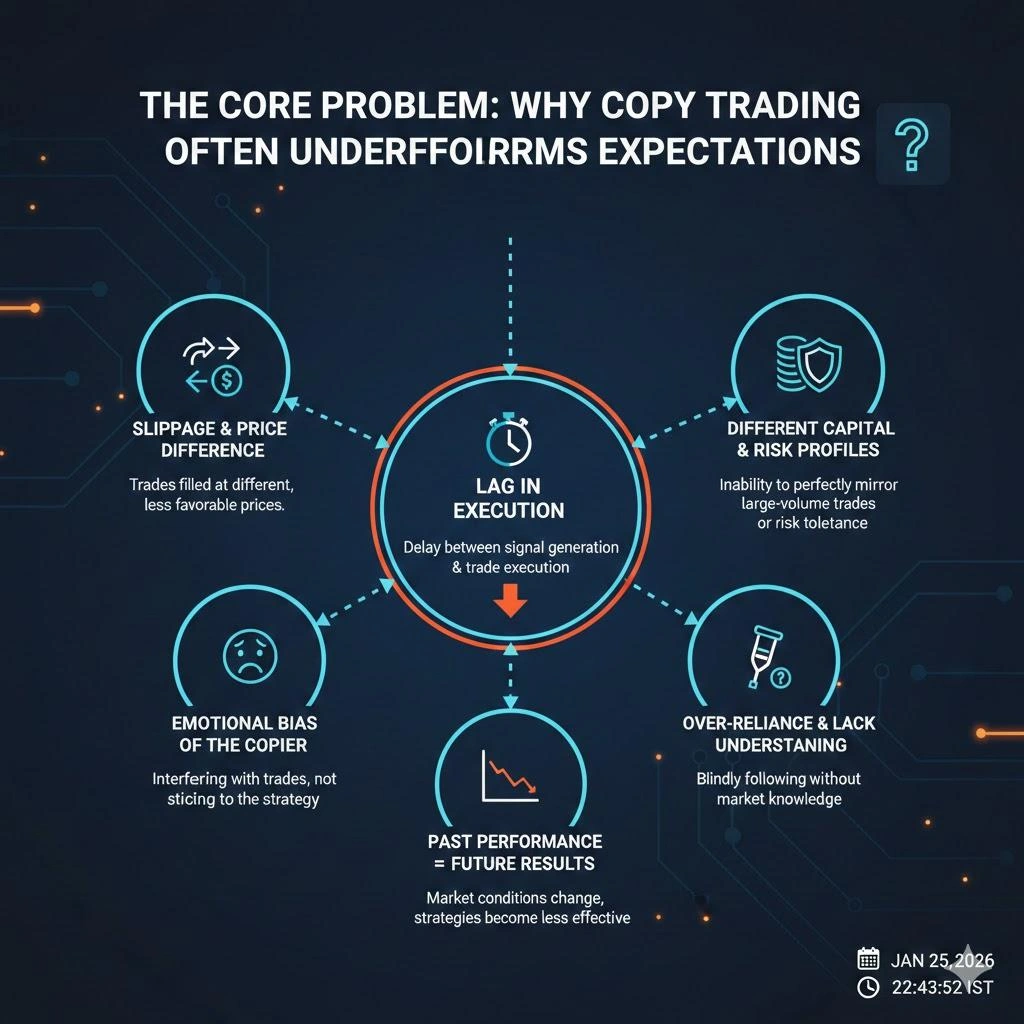
The Core Problem: Why Copy Trading Often Underperforms Expectations
A lot of traders enter into copy trading with the same idea:
- Following a pro will make learning much faster
- The automation will take all the emotions out of it
- If someone did well in the past, they will do thesame in the future.
Yet in practice, traders often face
- Bigger losses than they ever expected
- Result different from the person they were copying
- Strategies that suddenly stop working
Most traders blame their luck or changing market, but the real culprits are usually the technical and structural risks of the platform itself.
What Is Copy Trading Platform Risk?
Copy trading platform risk is basically the mix of technical and structural problems that can happen when traits are copied from one person’s account to another.
This includes:
- Your trades are not happening at the exact same time as the original one
- Your trade size getting messed up
- The broker’s own safety rules start getting in the way
- Running out of available orders
These risks exist even if the person you are trying to copy is a perfect trader.
Why Social Trading Risks Are Structural
Risk are built right into the social media trading model because:
- Your trades are always copied after the original already placed
- The market can shift in a split of second it takes to copy the trade
- Everyone following the signal has a different account balance, leverage and margin
- Brokers apply their own safety rules to each account individually
All of these make social media trading very different from just trading on your own.
Copy Trading Platform Risk vs Manual Trading Risk
| Manual Trading | Copy Trading |
| Trader controls entry | Platform controls entry |
| Execution is direct | Execution is replicated |
| Risk is self-managed | Risk is delegated |
| Social trading risks | Absent |
Delegation introduces layers of dependency that amplify risk.
Position Sizing: A Hidden Social Trading Risk
Copy platforms usually give you a few ways to follow a pro:
- Using the exact same trade size
- Scaling based on how much money you have
- Using a set percentage of your account
Each of these can cause problems.
Example
- Suppose the person you’re following risks 1% per trade
- But your account has different leverage or margin rules
- Your actual risk could be higher or lower
This mismatch is a huge risk that most platforms don’t bother to explain.
Broker Execution and Copy Trading Platform Risk
Brokers sometimes handle copied trades differently than regular ones. They might:
- Route copied trades through a different path
- Apply their own internal risk limits
- Slow down your trades when things get busy
When the market gets wild, your copied trades might hit:
- Bigger price jumps
- Only getting half-filled on an order
- Total rejections
These broker rules add an extra layer of risk to social trading, no matter how good the actual signal is.
Platform Dependency Risk
Copy trading platforms put all the power in one spot:
- They control with strategy you can see
- They decide how your trades are sent out
- They said the risk rules
If the platform has a technical glitch, data lag, or changes its rule, everyone following those signals gets hit at the exact same time. This creates a massive, shared risk for everyone involved.
Copy Trading Platform Risk During Volatile Markets
When the big news hits or the market gets volatile:
- Trade take longer to go through
- There are fewer orders available to fill yours
- The broker’s safety system activates.
The person you’re copying might still be doing great, but your result could suffer because of poor execution. This gap get wider right when you need things to go smoothly the most.
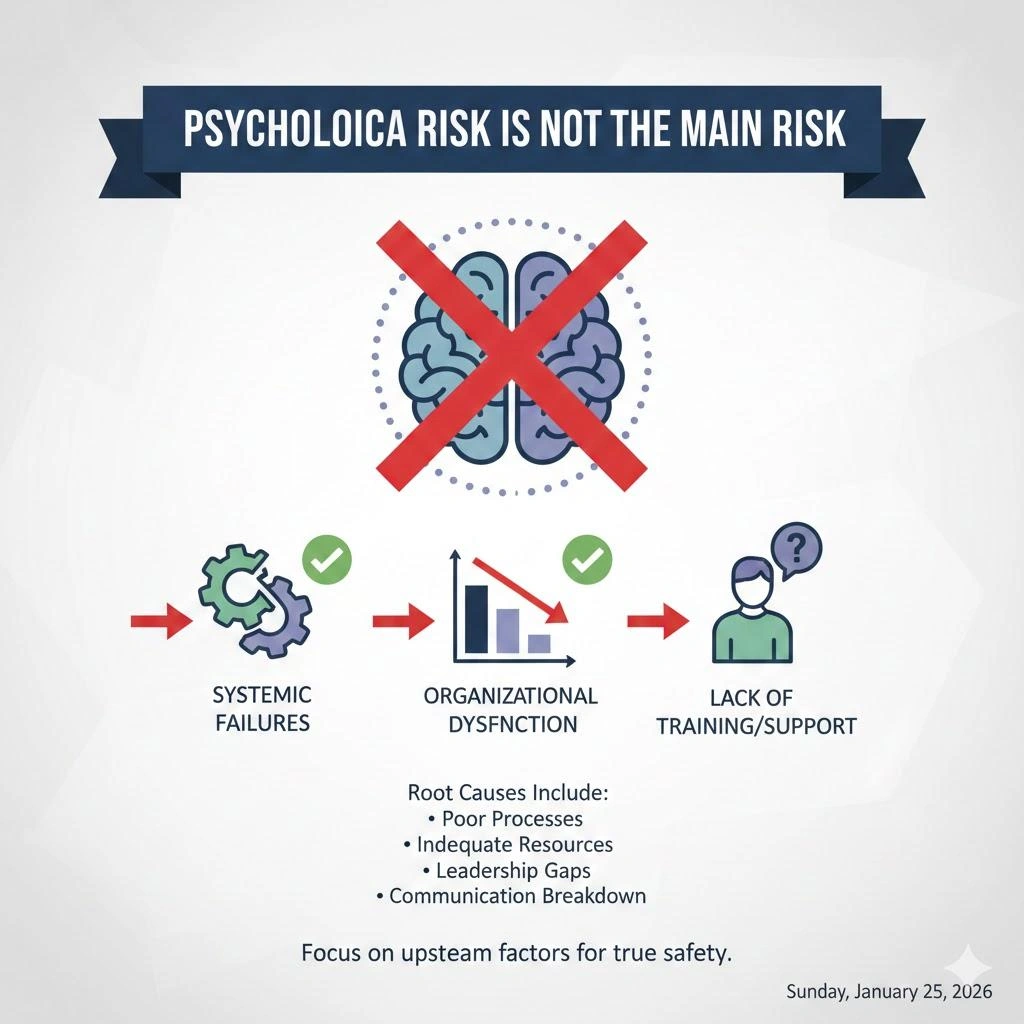
Psychological Risk Is Not the Main Risk
Even though your mindset matters, the risks of the platform itself are often mistaken for emotional failure.
In reality:
- Most traders follow the signals exactly same
- The losses often comes from mismatch in how trades are filled
- The platform’s own rules can override what you were expecting
Knowing this will help you stop blaming yourself for things that are actually technical problems with the platform.
Tools to Monitor Copy Trading Platform Risk
You can see the real risk for yourself by checking:
- Logs that compare your trade to the person you’re copying
- How much the price jumped on your copied trades
- A deep look at your losses and drawdowns
- The actual lag time between the original trade and your trade
Using this data you can see how these risks are actually hitting your account.
Common Misconceptions About Copy Trading
- Copying someone else takes the risk out of trading
- Your result will be exactly same as the original one
- The platform makes every broker act the same
- Spreading your money around fixes all the platform risks
- The only risk in social trading is your own emotion
Believing these myths leads to bad decisions.
Institutional View on Copy Trading Models
The big pro firms almost never use copy trading because:
- They don’t have a direct control over their trades
- Risk is too concentrated in one spot
- There just isn’t enough transparency
Regular traders should also use that same level of caution when taking a platform.
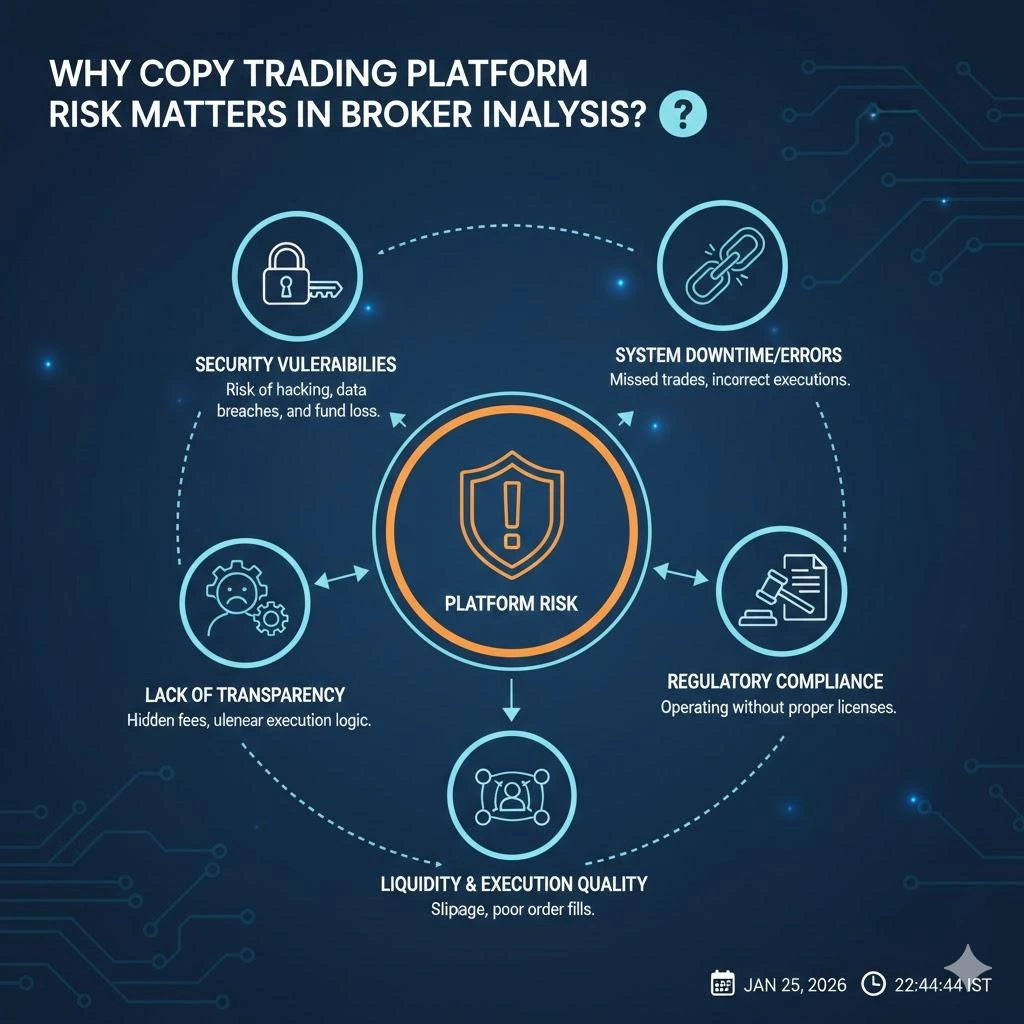
Why Copy Trading Platform Risk Matters in Broker Analysis
The risk in copy trading tells a lot about your broker:
- How good their actual execution is
- How honest and clear the platform is
- Whether their risk management aligns with yours
If you ignore these things, you aren’t getting a full picture of who you’re trading with.
Conclusion
The risks in copy trading are a natural part of how social trading works; it’s not just a problem with a few brokers or platforms. These risks come from delays in execution, issues with trade sizing, broker rules, and how the platform is built, which are all things that you can’t really control. Copy trading can be a great way to learn and spread your risk; it also creates new problems that can change your result very quickly.
Traders who understand these risks are much more careful about the platform they choose and how much money they put into them. Sites like InsightfulTrade are there to provide expert guidance on tech performance and social trading risk.
FAQs
1. Are social trading risks higher than manual trading risks?
They are different. Social trading risks add execution and platform dependency to normal market risk.
2. Is copy trading allowed for Indian traders?
Access depends on broker structure and jurisdiction. Traders must ensure compliance with SEBI guidelines and broker terms.
3. Can copy trading platform risk be eliminated?
No. It can only be managed through diversification, monitoring, and realistic expectations.
4. Does SEBI regulate copy trading platforms?
SEBI regulates financial intermediaries and disclosures. Traders remain responsible for understanding platform-specific risks.
Author: Kumkum Chandak
Experience: 3+ Years in Trading Research & Market Content Strategy
Kumkum Chandak is a trading content strategist and market research writer who specializes in simplifying technical analysis, trading tools, and strategy-driven educational content. Her work is optimized for EEAT, accuracy, and user intent, ensuring every article delivers practical insights for traders of all levels.
Risk Disclaimer:
All content is strictly educational and not financial advice. Trading involves substantial risk. Always perform your own analysis or consult a professional advisor.
Last Updated: 25 January 2026