INTRODUCTION
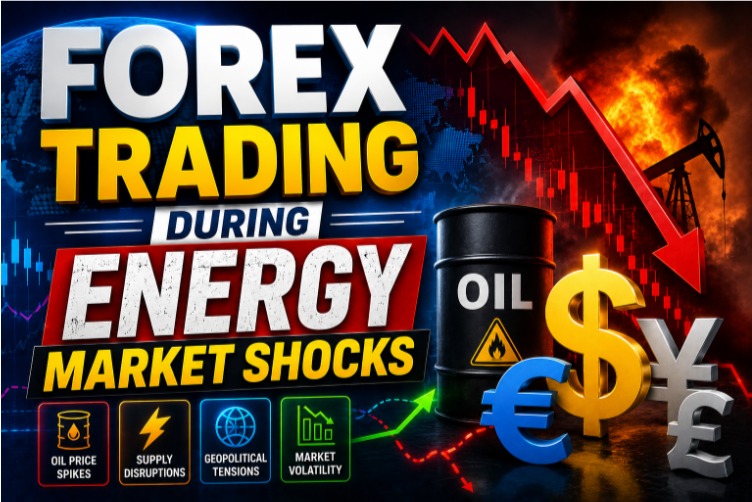
Energy market shocks are among the most powerful forces that can influence global financial markets, creating significant opportunities and risks for forex traders. Sudden changes in energy prices, particularly crude oil and natural gas, can trigger sharp currency movements as investors react to shifting economic conditions. These shocks may result from geopolitical conflicts, supply disruptions, production cuts, natural disasters, or unexpected changes in global energy demand. Because energy plays a vital role in economic growth and inflation, fluctuations in energy markets often have a direct impact on currency valuations around the world.
For forex traders, understanding the relationship between energy markets and currency movements is essential for navigating volatile market conditions. Rising oil prices can strengthen commodity-exporting currencies while putting pressure on nations that rely heavily on energy imports. At the same time, geopolitical events and market uncertainty can drive investors toward safe-haven currencies, creating additional trading opportunities. By analyzing energy trends, monitoring geopolitical developments, and implementing effective volatility trading strategies, traders can better position themselves to capitalize on market movements during periods of energy market disruption. This article explores how energy market shocks affect forex markets and provides insights into trading effectively when energy-driven volatility takes center stage.
Understanding Energy Market Shocks
Energy market shocks occur when there is a sudden and significant disruption in the supply, demand, or pricing of energy commodities such as crude oil, natural gas, and other fuel sources. These disruptions can arise from a variety of factors, including geopolitical conflicts, natural disasters, production cuts by major oil-producing countries, economic sanctions, or unexpected changes in global energy demand. Because energy is a fundamental component of economic activity, any major shock in energy markets can have far-reaching consequences across financial markets, including the forex market.
In the context of energy market forex trading, energy shocks often lead to increased market uncertainty and heightened volatility. When energy prices rise sharply, inflation concerns may increase, central banks may adjust monetary policies, and investors may shift their expectations regarding economic growth. Conversely, falling energy prices can benefit energy-importing nations while creating challenges for countries that depend heavily on energy exports. These economic effects directly influence currency valuations and create trading opportunities in the forex market.
Understanding the causes and consequences of energy market shocks is essential for forex traders. By monitoring energy market developments, tracking oil prices, analyzing the performance of commodity currencies, and staying informed about major geopolitical events, traders can better anticipate market movements and develop effective volatility trading strategies. A strong understanding of energy market shocks provides a valuable foundation for navigating periods of uncertainty and capitalizing on opportunities created by rapid market changes. .
Common causes of energy market shocks include:
- Geopolitical conflicts in major oil-producing regions
- Supply disruptions due to natural disasters
- OPEC production decisions
- Economic sanctions on energy-exporting nations
- Unexpected changes in global demand
- Transportation and infrastructure disruptions
When energy prices surge or collapse rapidly, forex markets react because energy costs affect economies differently depending on whether a country imports or exports energy.
The Impact of Oil Prices on Forex Trading During Energy Market Shocks
Oil remains one of the most traded commodities globally and has a powerful influence on forex markets.Because oil is essential for transportation, manufacturing, and industrial production, price changes can affect virtually every economy.
Oil prices are one of the most influential factors affecting global forex markets. As a critical energy resource used in transportation, manufacturing, and industrial production, changes in oil prices can significantly impact national economies. Rising oil prices often strengthen currencies of oil-exporting countries by increasing export revenues and improving trade balances. Conversely, countries heavily dependent on oil imports may experience higher inflation and weaker economic growth when oil prices surge. Forex traders closely monitor oil market developments because sudden price movements can create strong trends in currency pairs, particularly those involving commodity-exporting nations.
How Commodity Currencies React to Energy Market Shocks
Commodity currencies play a central role in forex trading during energy market shocks because their economies are closely linked to the export of natural resources and commodities. The Canadian dollar, Norwegian krone, Australian dollar, and New Zealand dollar are among the most closely watched commodity currencies. During periods of rising energy prices, countries that export oil and energy products often benefit from increased revenue and stronger trade balances, which can support their currencies. For example, the Canadian dollar frequently strengthens when oil prices rise because Canada’s economy relies heavily on energy exports. Understanding the relationship between commodity prices and commodity currencies helps traders identify profitable opportunities and anticipate market movements during periods of heightened energy market volatility.
Combining Oil Prices and Commodity Currencies for Better Trading Decisions
Many successful traders combine analysis of oil prices and commodity currencies to improve their trading decisions. Because currencies such as the Canadian dollar often have a strong correlation with crude oil, monitoring both markets can provide valuable trading signals. Understanding how oil price trends influence commodity-exporting economies can help traders anticipate currency movements and make more informed entries and exits.
The Role of Geopolitical Events in Energy Market Forex Trading
Geopolitical events are often the primary trigger behind major energy market shocks and can create significant volatility in forex markets. Political conflicts, military actions, trade sanctions, diplomatic disputes, and instability in major oil-producing regions can all disrupt global energy supplies and drive sharp fluctuations in oil prices. These developments often cause investors to reassess economic risks and shift capital toward safer assets. As uncertainty increases, safe-haven currencies such as the US dollar, Japanese yen, and Swiss franc tend to attract investor demand. Forex traders who closely follow geopolitical developments can gain valuable insights into potential currency movements, allowing them to react quickly to changing market conditions and capitalize on emerging opportunities.
Geopolitical Events and Their Impact on Energy Market Forex Trends

Geopolitical events are among the most common causes of energy market disruptions. Military conflicts, international sanctions, trade disputes, and political instability in major energy-producing regions can affect global supply and drive sharp movements in oil prices. These developments often create uncertainty in financial markets and influence investor sentiment. Forex traders who stay informed about geopolitical events can react more effectively to changing market conditions and identify trading opportunities arising from energy-related news.
Volatility Trading Strategies During Energy Market Shocks
Volatility trading becomes particularly important during energy market shocks because sudden changes in oil prices and geopolitical developments often lead to large and rapid currency movements. Increased volatility can create attractive trading opportunities, as stronger price swings offer the potential for larger profits. However, these conditions also carry greater risks due to unpredictable market reactions and sudden reversals. Successful volatility trading requires a disciplined approach that includes proper risk management, strategic stop-loss placement, and careful position sizing. Traders often use technical analysis tools such as support and resistance levels, volatility indicators, and trend-following systems to navigate these fast-moving markets. By understanding how volatility behaves during energy market disruptions, traders can make more informed decisions and better manage risk
Managing Risk in Energy Market Forex Volatility Trading
Risk management is essential when participating in energy market forex trading during periods of elevated volatility. Energy-related news can trigger sudden market reactions that may lead to unexpected losses if traders are not properly prepared. Using stop-loss orders, controlling position sizes, and avoiding excessive leverage are crucial practices for navigating volatile conditions. A strong risk management strategy allows traders to take advantage of opportunities while protecting their trading capital.
The Future of Energy Market Forex Trading
As global energy markets continue to evolve, the importance of energy market forex analysis is likely to grow. Factors such as renewable energy adoption, changing energy demand patterns, and emerging geopolitical challenges will continue to influence currency markets. Traders who stay informed about developments in oil prices, commodity currencies, geopolitical events, and volatility trading will be better positioned to identify opportunities and adapt to changing market conditions.
Conclusion: Forex Trading During Energy Market Shocks
In conclusion, energy market forex trading requires a deep understanding of how energy-related developments influence global currency markets. Changes in oil prices, shifts in commodity currencies, unexpected geopolitical events, and periods of intense volatility trading can all create significant opportunities and risks for forex traders. Energy market shocks often trigger rapid changes in market sentiment, inflation expectations, and economic outlooks, leading to substantial movements in major currency pairs.
Successful traders recognize that energy markets and forex markets are closely interconnected. By monitoring oil price trends, understanding the behavior of commodity-linked currencies, staying informed about geopolitical developments, and implementing strong risk management practices, traders can navigate volatile market conditions more effectively. While energy market shocks can create uncertainty, they also offer valuable trading opportunities for those who are prepared.
Ultimately, long-term success in energy market forex trading depends on combining fundamental analysis, technical analysis, and disciplined decision-making. Traders who adapt to changing market conditions and maintain a strategic approach will be better positioned to capitalize on opportunities while protecting their capital during periods of energy-driven market volatility.