
Investing in gold during volatility isn’t just a defensive move — it’s a deliberate strategy that separates reactive investors from disciplined ones. In April 2026, with equity markets swinging wildly on geopolitical tensions and persistent inflation pressures, gold has re-emerged as the asset class everyone’s talking about. But talking about it and actually knowing how to position yourself are two very different things. This guide breaks down exactly what you need to know.
⚡ Key Takeaways
- Gold is a proven hedge – Historically outperforms during recessions, currency crises, and high-inflation periods.
- Dollar-cost averaging works – Regular, consistent gold purchases reduce timing risk significantly.
- ETFs vs physical gold matters – Each vehicle has distinct cost structures, liquidity profiles, and tax implications.
- Allocation discipline is critical – Most financial advisors recommend 5–15% gold exposure within a diversified portfolio.
- Emotional investing destroys returns – Chasing gold rallies at peaks is one of the most common — and costly — mistakes investors make.
1. Introduction: Why Gold Matters in Volatile Markets

1.1. The Current Landscape of Market Volatility in 2026
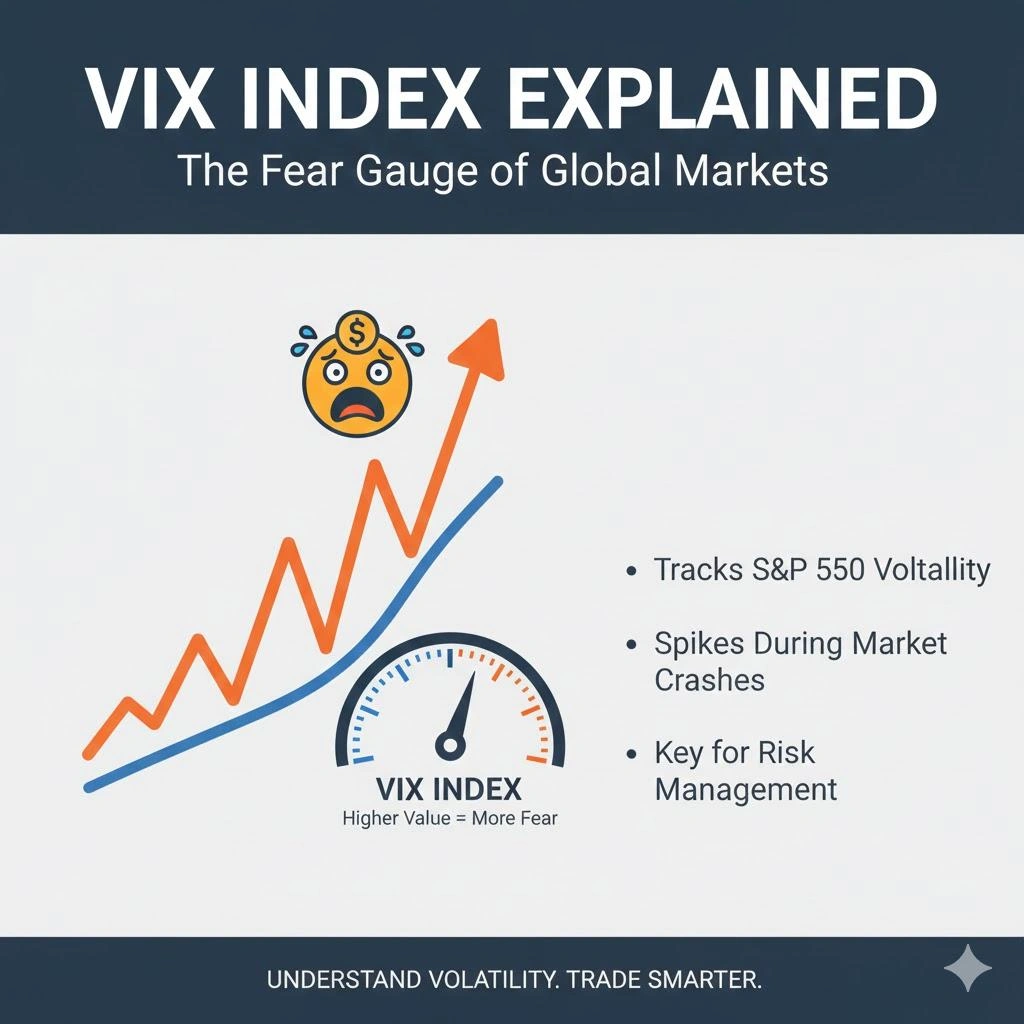
Markets in 2026 are anything but calm. The S&P 500 has experienced four corrections exceeding 8% since January alone, driven by Federal Reserve policy uncertainty, Middle East supply disruptions, and slowing Chinese manufacturing output. Volatility indices are elevated, and institutional money is rotating defensively.
1.2. Why Investors Turn to Gold During Economic Uncertainty
Gold doesn’t pay dividends. It doesn’t generate earnings. And yet, every time markets crack, capital floods into it. Why? Because gold holds intrinsic value independent of any government’s promise. When currencies weaken and equities tumble, gold tends to hold — sometimes even rally.
1.3. What This Guide Covers for Investors
We have put together this guide specifically for investors who want practical, actionable frameworks — not generic advice. We’ll cover strategies, vehicles, real historical examples, and the pitfalls that trip up even experienced investors.
2. The Value of Investing in Gold During Volatility
2.1. Gold as a Store of Value Across Economic Cycles
Gold has maintained purchasing power across centuries. An ounce of gold bought a fine Roman toga. Today, that same ounce buys a quality suit. No fiat currency can claim that track record. That consistency is exactly why investing in gold during volatility makes structural sense.
2.2. How Gold Preserves Purchasing Power During Inflation
According to the World Gold Council (2025), gold averaged a 15% annual return during periods when U.S. inflation exceeded 5%. With core CPI still running above 4% in early 2026, that data point deserves serious attention from any investor building a real-return portfolio.
Gold returned an average of 15% annually during high-inflation periods (inflation above 5%) — World Gold Council, 2025 Annual Report.
2.3. Gold’s Role in Portfolio Diversification
Gold’s correlation with equities is historically near zero — sometimes negative. That’s the definition of a diversifier. Adding even a 10% gold allocation to a traditional 60/40 portfolio has been shown to reduce drawdowns by up to 12% without meaningfully sacrificing long-term returns, per a 2024 Morningstar analysis.
2.4. Historical Performance of Gold During Economic Downturns
Gold during economic downturns consistently outperforms. During the 2001 dot-com bust, gold rose 8% while the Nasdaq fell 78%. During the 2008 crisis, it gained 5% in the crash year and surged 24% in 2009. The pattern is hard to ignore.
3. Gold Investment Tips 2026: Strategies That Work
3.1. Dollar-Cost Averaging Into Gold Positions
One of the most underrated gold investment tips 2026 investors should embrace is dollar-cost averaging. Instead of timing a lump-sum entry, you invest a fixed amount monthly — say $500 — regardless of price. This smooths your average cost and removes the emotional paralysis that kills returns.
3.2. Timing Your Entry Points Using Market Signals
Watch the real yield on 10-year U.S. Treasuries. When real yields fall below 1%, gold historically rallies hard. Also monitor the DXY dollar index — a weakening dollar almost always correlates with gold strength. These aren’t guarantees, but they’re reliable leading indicators worth tracking weekly.
3.3. Balancing Gold Allocation Within a Broader Portfolio
Most financial planners suggest 5–15% gold exposure. I’ve seen investors go 30–40% during panic phases — and then sell at losses when gold corrects and they need liquidity. Discipline matters more than conviction. Stick to your target allocation and rebalance quarterly.
4. Gold ETFs vs Physical Gold: Choosing the Right Vehicle

4.1. Understanding Gold ETFs and How They Work
Gold ETFs like GLD or IAU hold physical gold in vaults and issue shares representing fractional ownership. They trade like stocks — liquid, low-cost, and accessible. The SPDR Gold Trust charges just 0.40% annually. For most retail investors, gold ETFs vs physical gold comparisons favor ETFs on pure convenience.
4.2. Benefits and Drawbacks of Holding Physical Gold
Physical gold — bars, coins, bullion — offers zero counterparty risk. You own it outright. But storage costs, insurance premiums, and liquidity friction add up. Selling a gold bar quickly at fair market value isn’t as simple as clicking “sell” in a brokerage app. That friction matters during volatile markets.
Global gold ETF holdings reached a record 3,200 tonnes in Q1 2026 — World Gold Council Quarterly Report, March 2026.
4.3. Other Gold Investment Vehicles: Mining Stocks and Futures
Mining stocks offer leveraged exposure — when gold rises 10%, miners can jump 25–30%. But they carry operational risk, management risk, and geopolitical exposure. Gold futures suit sophisticated traders, not long-term investors. Know what you’re buying before you buy it.
4.4. Which Option Suits Your Risk Profile and Goals
Here’s a simple framework: If you want liquidity and low cost, choose ETFs. If you want tangible ownership and long-term wealth preservation, consider physical gold. If you want amplified returns and can stomach volatility, look at miners. The gold ETFs vs physical gold debate ultimately comes down to your specific goals.
5. Real-World Examples: Gold During Economic Downturns
5.1. Gold’s Performance During the 2008 Financial Crisis
Gold during economic downturns proved its value spectacularly in 2008. While the S&P 500 dropped 38.5%, gold finished the year up 5.5% — and then climbed another 24% in 2009 as recovery uncertainty lingered. Investors who held gold through the crisis recovered far faster than equity-only portfolios.
5.2. How Gold Reacted During the COVID-19 Market Crash
March 2020 was interesting — gold initially sold off alongside equities as investors raised cash. But within six weeks, it had fully recovered and went on to hit an all-time high of $2,067 per ounce by August 2020. The lesson? Short-term dips during panic selling are often buying opportunities.
5.3. Lessons from Recent 2024–2026 Market Turbulence
Gold crossed $3,000 per ounce in early 2025 — a milestone that validated years of patient accumulation for disciplined investors. The 2024–2026 turbulence reinforced that investing in gold during volatility rewards those who stay systematic rather than reactive. Patience, not prediction, drives results.
6. Common Pitfalls to Avoid When Investing in Gold During Volatility
6.1. Overconcentrating Your Portfolio in Gold
Gold is a hedge, not a portfolio. I’ve seen investors pile 50% of their savings into gold during panic — only to watch it correct 15% while missing an equity recovery. Overconcentration eliminates the diversification benefit that makes gold valuable in the first place.
6.2. Reacting Emotionally to Short-Term Price Swings
Gold can drop $80 in a single session. That’s normal. What’s not normal — or profitable — is selling every time it dips. Emotional selling locks in losses and keeps you out of the recovery. Set your allocation, define your time horizon, and stop checking prices daily.
6.3. Ignoring Storage and Liquidity Costs for Physical Gold
Annual storage and insurance for physical gold typically runs 0.5–1.5% of asset value. Over a decade, that’s a meaningful drag. Factor these costs into your return expectations before choosing physical over ETFs. Hidden costs are where real returns quietly disappear.
6.4. Chasing Gold Rallies at Market Peaks
When gold hits headlines, retail investors pile in — often at the worst possible moment. After gold surged past $2,500 in late 2024, many new buyers watched it consolidate for months. Buy systematically, not emotionally. The news cycle is almost always late to the trade.
7. Conclusion: Building a Resilient Gold Strategy
7.1. Key Takeaways for Navigating Gold Investments in Volatile Markets
Gold works best as a systematic, long-term allocation — not a panic trade. Use dollar-cost averaging, monitor real yield signals, and maintain disciplined allocation limits. The investors who consistently benefit from investing in gold during volatility are the ones who planned before the storm hit.
7.2. How to Supports Your Gold Investment Journey
We provides the research, tools, and portfolio frameworks that help investors make confident, data-driven gold decisions. From ETF comparison tools to real-time volatility alerts, the platform is built for investors who take their strategy seriously — not those chasing the next headline.
7.3. Next Steps to Start or Refine Your Gold Strategy Today
- Assess your current portfolio allocation and identify your gold exposure gap
- Choose your investment vehicle — ETF, physical, or miners — based on your goals
- Set up a monthly dollar-cost averaging schedule through our platform
- Define your rebalancing triggers and stick to them regardless of market noise
8. FAQ: Investing in Gold During Volatility
8.1. What is Gold acting as safe haven but volatile?
Gold is considered a safe haven because it retains value when other assets decline. But it’s still a traded commodity — subject to short-term price swings driven by dollar movements, interest rate changes, and speculative positioning. Safe haven status refers to long-term behavior, not daily price stability.
8.2. How does gold serve as a safe haven?
Gold serves as a safe haven by maintaining intrinsic value independent of any government or central bank. During currency crises, recessions, or geopolitical shocks, investors rotate into gold because it can’t be printed, defaulted on, or politically manipulated the way currencies and bonds can.
8.3. When is the best time to invest in gold?
Honestly? Before you need it. The best time to invest in gold is during calm markets when prices aren’t elevated by panic buying. That said, dollar-cost averaging removes the timing pressure entirely — you invest consistently and let time do the heavy lifting rather than trying to predict market bottoms.
8.4. What are the risks of investing in volatile gold?
Key risks include price volatility (gold can drop 15–20% in corrections), opportunity cost versus equities during bull markets, storage and insurance costs for physical gold, and liquidity risk during extreme market dislocations. Investing in gold during volatility reduces some risks while introducing others — balance is everything.
8.5. What historical trends should I know about gold volatility?
Gold’s biggest bull runs followed periods of negative real interest rates, dollar weakness, and systemic financial stress — 1970s stagflation, post-2008 QE era, and 2020–2026 inflation cycle. Gold during economic downturns has historically delivered positive returns in 7 of the last 10 U.S. recessions, according to World Gold Council data.
Gold delivered positive returns in 7 of the last 10 U.S. recessions — World Gold Council Historical Performance Data, 2024.