Introduction
The market structure forex strategy is one of the most reliable and professional approaches used by experienced traders. Unlike indicator-based systems that often lag behind price, market structure focuses on understanding how the market naturally moves. Every price movement creates a pattern, and these patterns reveal whether buyers or sellers are in control. By learning to identify higher highs and lows, performing proper trend analysis, reading price action, and finding precise forex entries, traders can improve their decision-making and eliminate unnecessary guesswork.
Many beginner traders rely heavily on multiple indicators that often provide conflicting signals. In contrast, market structure allows traders to read the chart itself. Since price reflects all available market information, understanding its structure provides a clearer picture of market sentiment. Whether you trade on the 5-minute chart or the daily timeframe, market structure remains the foundation of successful technical analysis.
A proper market structure strategy helps traders identify trends early, recognize potential reversals before they happen, and place trades with logical stop-loss and take-profit levels. This approach is suitable for day traders, swing traders, and even long-term investors because the same structural principles apply across all timeframes.
In this comprehensive guide, you will learn how market structure works, how to identify higher highs and lower lows, perform effective trend analysis, understand price action, and use the best forex entries based on market structure.
Higher Highs and Lows in Market Structure Forex
Understanding higher highs and lows is essential when using a market structure forex strategy because they clearly indicate that buyers are in control of the market. A higher high forms when price moves above the previous swing high, showing that buying pressure remains strong. After this move, the market usually retraces to create a higher low, where buyers step back in before pushing the price to another higher high. This repeating pattern confirms an uptrend and provides traders with confidence to look for buying opportunities instead of selling against the trend. By identifying higher highs and higher lows, traders can avoid entering trades against market momentum and instead follow the dominant direction. These structural points also provide logical areas for placing stop-loss orders below higher lows while targeting the next higher high for profit. Since institutional traders often use market structure to determine market direction, recognizing these patterns allows retail traders to align their trades with professional market participants, improving consistency and long-term profitability.
Trend Analysis Using Market Structure Forex

Effective trend analysis is the backbone of every successful market structure forex strategy because it helps traders identify the dominant direction before entering a trade. Instead of relying solely on technical indicators, trend analysis focuses on the sequence of swing highs and swing lows created by price. When the market continuously forms higher highs and higher lows, the trend is considered bullish, while lower highs and lower lows indicate a bearish trend. If price repeatedly fails to create new highs or lows, the market is likely ranging. Professional traders begin their analysis on higher timeframes such as the daily or four-hour chart to determine the overall trend before moving to lower timeframes for trade execution. This multi-timeframe approach helps eliminate poor-quality trades and ensures that entries are made in the direction of the strongest market momentum. By combining market structure with trend analysis, traders can better understand market behavior, anticipate future price movements, and improve the accuracy of every trading decision.
Price Action in Market Structure Forex
Price action plays a crucial role in a market structure forex strategy because it provides confirmation that buyers or sellers are actively controlling the market. Price action refers to the movement of price without depending on lagging indicators, allowing traders to interpret market psychology directly from candlestick behavior. Once a trader identifies a valid market structure, price action signals such as bullish engulfing candles, bearish engulfing candles, pin bars, inside bars, or rejection wicks can be used to confirm potential trade entries. For example, during a bullish market structure, a pullback toward a higher low followed by a bullish engulfing candle often signals that buyers are ready to continue the upward trend. Similarly, in a bearish market, rejection candles at lower highs frequently indicate renewed selling pressure. Using price action alongside market structure improves trading accuracy by helping traders avoid false breakouts and unnecessary trades while entering positions only after the market confirms the expected direction.
Forex Entries Based on Market Structure
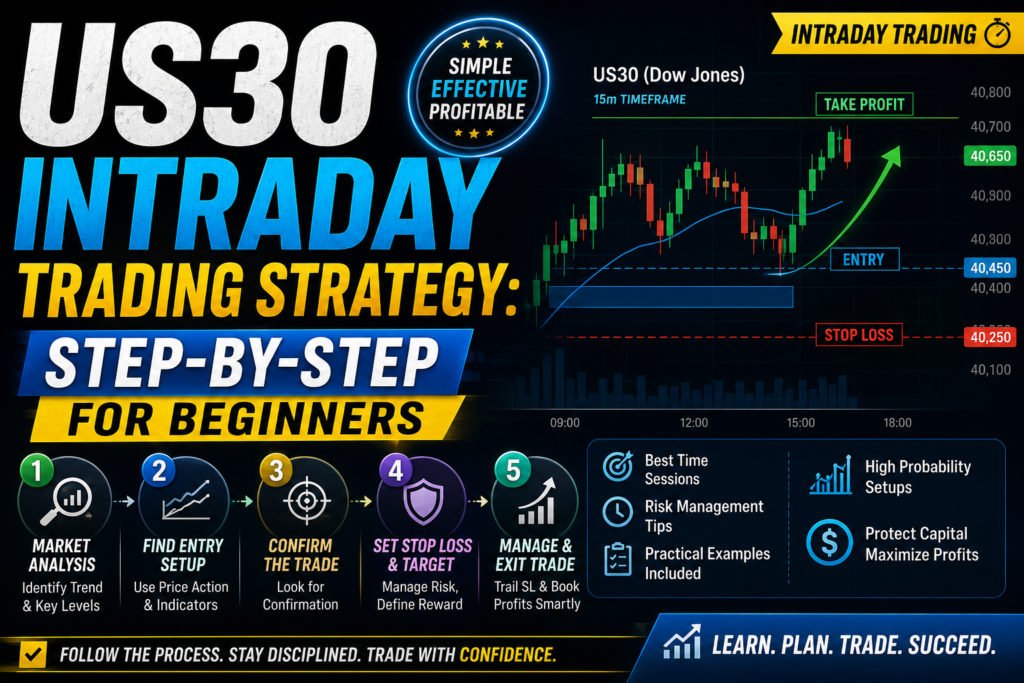
Finding high-probability forex entries becomes much easier when traders understand how to use market structure forex correctly. Rather than entering trades randomly or chasing fast-moving prices, experienced traders patiently wait for the market to complete its natural cycle of impulse and retracement. In an uptrend, the ideal forex entry occurs after price creates a higher high, retraces to form a higher low, and then produces a bullish price action confirmation before continuing upward. In a downtrend, traders wait for a lower low, followed by a pullback that forms a lower high and a bearish confirmation candle before entering a sell trade. This disciplined approach provides better timing, smaller stop-loss placement, and improved risk-to-reward ratios compared to emotional or impulsive trading. Combining forex entries with support and resistance zones, market structure, and price action creates a complete trading framework that increases consistency while reducing unnecessary losses. Instead of trying to predict every market movement, traders simply wait for the market to reveal its structure and then execute trades with confidence based on clear technical confirmation.
Risk Management in a Market Structure Forex Strategy
Risk management is one of the most important aspects of a successful market structure forex strategy because even the most accurate trading setup cannot guarantee a winning trade every time. Professional traders understand that preserving trading capital is more important than chasing quick profits. By combining proper risk management with market structure analysis, traders can survive losing streaks, remain emotionally disciplined, and achieve consistent long-term growth. A well-planned trade should always include a predefined stop-loss, take-profit target, and acceptable level of risk before the position is opened.Successful risk management also involves controlling emotions and following a disciplined trading plan. Keeping a trading journal, reviewing both winning and losing trades, and sticking to predefined trading rules help traders improve their decision-making over time. By integrating sound money management with market structure forex, higher highs and lows, trend analysis, price action, and well-planned forex entries, traders can reduce unnecessary losses while maximizing long-term profitability. Ultimately, consistent risk management is what transforms a good trading strategy into a sustainable and professional approach to forex trading.
Conclusion
The market structure forex strategy is one of the most effective and reliable approaches for traders who want to understand how the market truly moves rather than relying on lagging technical indicators. Every movement in the forex market leaves behind a pattern, and by learning to recognize these patterns, traders gain valuable insight into whether buyers or sellers are in control. Instead of making decisions based on emotions or conflicting indicator signals, market structure allows traders to follow the natural flow of price with greater confidence and discipline. This makes it a timeless trading method that works across all currency pairs and timeframes, from short-term intraday trading to long-term swing trading.
Throughout this guide, we explored how higher highs and lows form the foundation of a bullish trend, while lower highs and lower lows signal bearish market conditions. These structural patterns help traders identify the direction of the market and avoid taking trades against the prevailing trend. Understanding these formations not only improves trade accuracy but also provides logical areas for placing stop-loss orders and setting realistic profit targets. By respecting market structure, traders can reduce unnecessary losses and focus on high-probability trading opportunities. Finding precise forex entries becomes much easier when traders combine market structure, trend analysis, and price action into a single trading plan. Rather than chasing fast-moving prices, successful traders patiently wait for pullbacks within the trend and enter only after receiving clear confirmation from price. This method not only improves entry timing but also creates better risk-to-reward opportunities, allowing traders to maximize profits while controlling potential losses. Consistency comes from following a well-defined process instead of reacting emotionally to every market fluctuation.
Ultimately, success with a market structure forex strategy depends on patience, discipline, and continuous practice. No trading method can guarantee winning every trade, but understanding market structure gives traders a logical framework for making informed decisions based on real market behavior. By consistently applying the principles of higher highs and lows, trend analysis, price action, and strategic forex entries alongside sound risk management, traders can build a more confident, consistent, and profitable approach to forex trading. Mastering market structure is not about predicting every price movement—it is about learning to follow the market’s natural rhythm and making disciplined decisions that support long-term trading success.