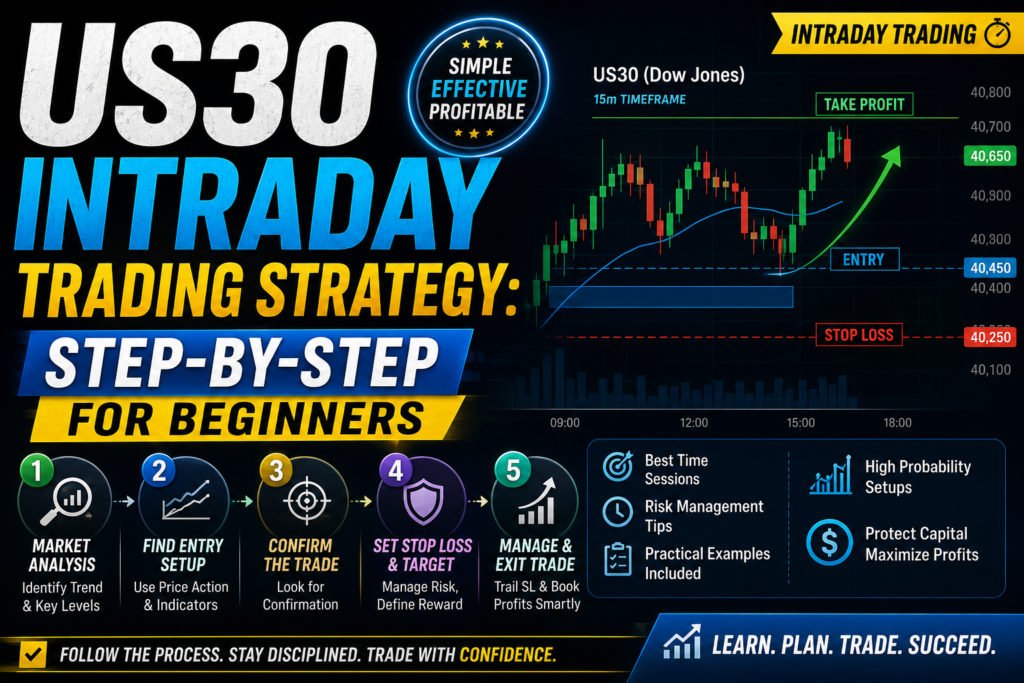

Introduction
Volatility is one of the defining characteristics of the forex market. Currency prices can move rapidly due to economic reports, geopolitical tensions, inflation data, interest rate decisions, and unexpected global events. While volatility creates opportunities for profit, it also increases the risk of significant losses if traders fail to manage their positions properly.
This is why forex risk management is one of the most important skills every trader must develop. Successful traders understand that protecting capital is more important than chasing profits. In volatile conditions, traders who ignore risk management often experience emotional decision-making and account drawdowns.
Professional traders rely on effective stop loss strategy techniques to limit losses and survive unpredictable market conditions. They also apply strong money management forex principles to control exposure and maintain long-term consistency. In addition, understanding the proper risk reward ratio helps traders balance profitability with controlled risk.
Another critical factor in volatile markets is trading psychology. Emotional reactions such as fear, greed, and revenge trading can lead to poor decisions during fast-moving conditions. Traders who maintain discipline and emotional control are more likely to succeed in highly volatile environments.
In this blog, we will explore how to manage forex risk during volatile markets, explain the importance of discipline, and discuss professional techniques for protecting capital while maximizing trading opportunities.
Understanding Volatility in Forex Markets
What Causes Market Volatility?
Volatility refers to the speed and size of price movements in the forex market. During volatile conditions, currency pairs can experience large price swings within a short period.
Several factors contribute to volatility, including:
- Economic data releases
- Inflation reports
- Central bank announcements
- Geopolitical events
- Interest rate decisions
- Unexpected global news
These conditions make forex risk management essential because sudden price movements can quickly impact trading accounts.
Professional traders use a combination of technical analysis, market awareness, and money management forex principles to handle these rapid market fluctuations.
Why Volatile Markets Are Risky
Volatile markets create opportunities for profit, but they also increase the likelihood of emotional trading and unexpected losses.
Without proper stop loss strategy techniques, traders may hold losing trades for too long or enter impulsive positions during periods of uncertainty.
In volatile conditions, maintaining the correct risk reward ratio becomes even more important because price swings can become unpredictable.
Strong trading psychology helps traders remain disciplined instead of reacting emotionally to sudden market movements.
Importance of Forex Risk Management
Protecting Trading Capital
The primary goal of forex risk management is to protect trading capital. Successful traders understand that survival in the market is more important than short-term profits.
Even the best trading strategy cannot guarantee winning every trade. Losses are part of trading, which is why proper money management forex techniques are necessary.
By limiting losses and controlling exposure, traders can continue trading even after difficult market conditions.
Reducing Emotional Stress
One of the biggest benefits of strong forex risk management is reduced emotional stress.
Traders who risk too much on a single trade often experience fear and panic during market volatility. This emotional pressure negatively affects trading psychology and leads to poor decision-making.
When traders use disciplined stop loss strategy methods and maintain a healthy risk reward ratio, they trade with more confidence and emotional stability.
Stop Loss Strategy During Volatile Markets
Why Stop Losses Matter
A stop loss strategy is one of the most powerful tools in forex trading. Stop-loss orders automatically close trades when the market moves against the trader by a predetermined amount.
During volatile markets, prices can move rapidly in unexpected directions. Without a proper stop loss strategy, small losses can quickly turn into major account damage.
Professional traders always define risk before entering a trade. This is a core principle of effective forex risk management.
Types of Stop Loss Strategies
Different traders use different stop loss strategy methods depending on market conditions and trading style.
Some common approaches include:
- Fixed stop-loss placement
- Volatility-based stops
- Support and resistance stops
- Trailing stop-loss systems
In highly volatile conditions, traders often widen stop-loss distances while reducing position sizes through strong money management forex practices.
Maintaining emotional discipline through strong trading psychology is also essential when trades approach stop-loss levels.
Money Management Forex Techniques

Controlling Position Sizes
One of the most important aspects of money management forex is controlling position size.
Professional traders usually risk only a small percentage of their account on each trade. This helps protect capital during periods of high volatility.
Even with a strong risk reward ratio, risking too much capital on one trade can destroy a trading account quickly.
Proper position sizing is a foundation of effective forex risk management.
Diversifying Trades
Another important money management forex technique is diversification.
Instead of placing all capital into one currency pair, traders may spread risk across multiple markets.
Diversification helps reduce exposure during sudden market volatility and supports better overall trading psychology by lowering emotional pressure.
Understanding Risk Reward Ratio
What Is Risk Reward Ratio?
The risk reward ratio compares the amount a trader risks to the potential profit target.
For example:
- Risking $100 to make $300 creates a 1:3 risk reward ratio
Professional traders focus on favorable ratios because they do not need to win every trade to remain profitable.
This concept is a critical part of successful forex risk management.
Importance During Volatile Markets
In volatile conditions, maintaining a proper risk reward ratio becomes even more important.
Large price swings create opportunities for bigger profits, but they also increase the risk of sudden reversals.
Traders using disciplined stop loss strategy techniques can protect themselves while targeting strong reward opportunities.
Combining a good risk reward ratio with strong money management forex principles improves long-term profitability.
Trading Psychology in Volatile Markets
Emotional Challenges of Trading
Volatile markets often trigger emotional reactions such as:
- Fear
- Greed
- Anxiety
- Revenge trading
These emotions can damage trading psychology and lead to impulsive decisions.
Many traders abandon their forex risk management rules during stressful market conditions, which often leads to significant losses.
Building Emotional Discipline
Strong trading psychology is developed through experience, discipline, and preparation.
Professional traders:
- Follow trading plans
- Accept losses calmly
- Avoid emotional reactions
- Maintain consistent routines
Using a structured stop loss strategy and proper money management forex techniques helps traders remain emotionally balanced.
A healthy risk reward ratio also reduces emotional stress because traders understand that long-term profitability depends on consistency rather than individual trades.
Forex Risk Management Strategies for Volatile Conditions
Trading Smaller During Volatility
One effective forex risk management approach is reducing trade size during highly volatile market conditions.
Smaller positions help traders manage emotional pressure and reduce account exposure.
This method works especially well when combined with disciplined money management forex principles.
Avoiding Overtrading
Overtrading is one of the most common mistakes during volatile markets.
Many traders become overly emotional and enter too many positions. This negatively impacts trading psychology and increases risk exposure.
Professional traders remain patient and focus only on high-quality setups with favorable risk reward ratio opportunities.
Following a Trading Plan
A detailed trading plan improves forex risk management by creating structure and consistency.
A professional trading plan includes:
- Entry rules
- Exit rules
- Stop-loss placement
- Position sizing
- Profit targets
Strong stop loss strategy rules and disciplined execution help traders stay focused during fast-moving markets.
Common Risk Management Mistakes

Ignoring Stop Losses
One major mistake traders make is ignoring their stop loss strategy.
Some traders move stop-loss levels further away in the hope that the market will reverse. This often leads to larger losses and emotional stress.
Strong trading psychology helps traders accept losses without emotional interference.
Risking Too Much Capital
Poor money management forex practices can destroy accounts quickly.
Professional traders understand that protecting capital is the foundation of long-term success in volatile markets.
Maintaining proper position sizes and a balanced risk reward ratio is essential for survival.
Conclusion
Volatile forex markets create both opportunities and risks. Traders who fail to manage risk properly often struggle with emotional decision-making and significant account losses. This is why forex risk management is one of the most important aspects of successful trading.
Using a disciplined stop loss strategy helps traders protect capital during unpredictable market conditions. Strong money management forex techniques allow traders to control exposure and maintain consistency over time.
Maintaining a healthy risk reward ratio improves profitability by balancing potential gains against acceptable losses. At the same time, strong trading psychology helps traders remain calm, disciplined, and focused during volatile market conditions.
Successful forex trading is not only about finding profitable trades. It is also about protecting capital, controlling emotions, and maintaining consistency. Traders who combine discipline, preparation, and effective risk management are more likely to achieve long-term success in the forex market.
FAQs
What is forex risk management?
Forex risk management involves techniques used to protect trading capital and reduce losses during market volatility.
Why is stop loss strategy important?
A strong stop loss strategy helps traders limit losses and control risk during unexpected market movements.
What is money management forex?
Money management forex refers to controlling position sizes, managing account risk, and protecting trading capital.
What is a good risk reward ratio?
A healthy risk reward ratio often ranges from 1:2 to 1:3, meaning potential profits are greater than potential losses.
Why is trading psychology important in forex?
Strong trading psychology helps traders manage emotions, remain disciplined, and avoid impulsive decisions during volatile market conditions.