
Introduction
The Forex market is influenced by much more than technical charts and economic reports. One of the most powerful forces behind currency price movements is forex market sentiment. It reflects the overall attitude and emotions of traders toward a particular currency pair or the market as a whole. Whether traders are optimistic, fearful, or uncertain, these collective emotions shape buying and selling decisions, making forex market sentiment an essential factor for successful trading.
Many beginner traders focus only on technical indicators or fundamental news while ignoring the psychology of the market. However, understanding forex market sentiment allows traders to identify whether the majority of market participants are bullish, bearish, or neutral. This knowledge helps improve trade timing, risk management, and overall decision-making.
In this comprehensive guide, you will learn how market sentiment works, how to analyze it, and how concepts such as sentiment indicators, risk appetite, trader psychology, and market direction can help you become a more confident Forex trader.
What Is Forex Market Sentiment?
Forex market sentiment refers to the collective opinion of traders regarding the future movement of a currency pair. It represents whether the market expects prices to rise, fall, or remain stable based on economic conditions, global events, and investor confidence.
Unlike technical analysis, which studies historical price patterns, or fundamental analysis, which evaluates economic data, forex market sentiment measures how traders feel about the market. Since financial markets are driven by people making decisions, emotions often influence price movements before economic data fully reflects changing conditions.
Understanding forex market sentiment enables traders to align their positions with prevailing market conditions instead of trading against strong emotional trends.
Why Market Sentiment Matters in Forex Trading
Currency prices often move because traders react to expectations rather than actual economic outcomes. Positive expectations encourage buying activity, while negative expectations increase selling pressure.
When forex market sentiment turns bullish, traders anticipate stronger economic performance, leading to increased demand for certain currencies. Conversely, bearish sentiment causes investors to reduce exposure and seek safer alternatives.
By recognizing shifts in forex market sentiment, traders gain valuable insight into potential market movements before they become obvious through traditional analysis.
Understanding Trader Psychology
Successful Forex trading depends heavily on understanding trader psychology. Financial markets are emotional environments where fear, greed, confidence, and uncertainty constantly influence buying and selling decisions.
Strong bullish trends often develop because positive trader psychology encourages more investors to enter the market. Likewise, panic selling during economic uncertainty reflects negative trader psychology, causing sharp price declines.
Professional traders understand that controlling their own emotions while observing the emotions of others provides a significant competitive advantage. Improving trader psychology helps traders remain disciplined during volatile market conditions and avoid impulsive decisions.
The Importance of Risk Appetite
One of the biggest drivers of currency markets is risk appetite. This term describes investors’ willingness to purchase higher-risk assets in pursuit of greater returns.
When global economic conditions appear stable, investors usually display strong risk appetite by investing in currencies associated with economic growth, such as the Australian Dollar or New Zealand Dollar. During periods of uncertainty, declining risk appetite pushes investors toward safer currencies like the US Dollar, Japanese Yen, or Swiss Franc.
Monitoring changes in risk appetite helps Forex traders anticipate shifts in capital flows across global financial markets.
How Sentiment Indicators Help Traders
Several tools measure overall market confidence. These tools, commonly known as sentiment indicators, provide valuable information about trader positioning and investor expectations.
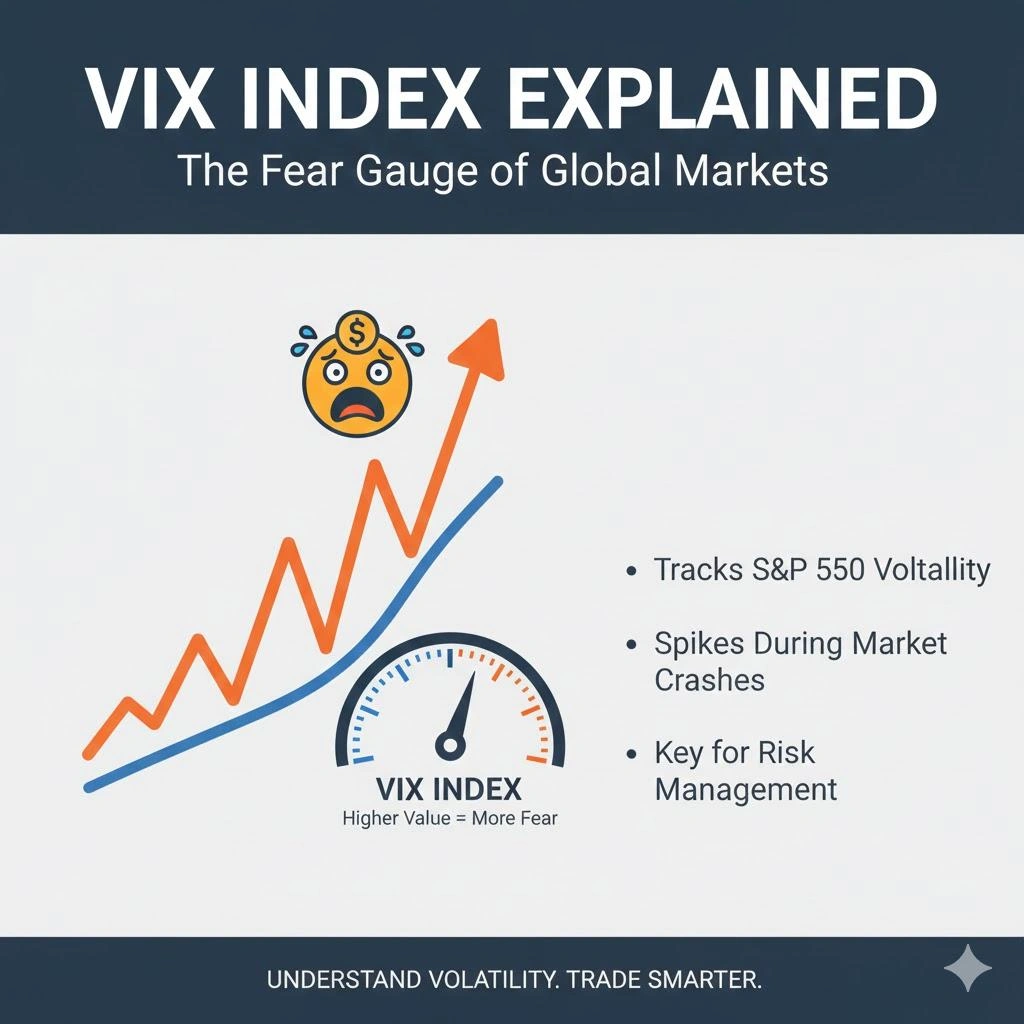
Popular sentiment indicators include the Commitment of Traders (COT) Report, volatility indexes, retail trader positioning reports, and options market data. These resources reveal whether most market participants are buying or selling specific currencies.
Using sentiment indicators alongside technical and fundamental analysis creates a more balanced trading approach, helping traders avoid relying on a single analytical method.
Identifying Market Direction Through Sentiment
One of the primary goals of sentiment analysis is identifying probable market direction. Understanding whether buyers or sellers currently control the market improves trading accuracy and reduces unnecessary risks.
If forex market sentiment remains overwhelmingly bullish, the overall market direction often continues upward despite temporary pullbacks. Similarly, widespread bearish sentiment usually reinforces downward price movement.
Combining market direction analysis with support, resistance, and price action increases the probability of entering high-quality trades.
Combining Sentiment with Technical Analysis
Technical analysis and sentiment analysis work exceptionally well together. Technical indicators identify potential entry points, while forex market sentiment confirms whether market participants support the expected movement.
For example, if a currency pair breaks above resistance while sentiment indicators show growing optimism, traders receive stronger confirmation that the breakout may continue. Conversely, technical buy signals occurring during extremely negative sentiment often require additional caution.
This combination improves confidence and reduces the likelihood of entering false breakouts.
Fundamental Events That Influence Sentiment
Economic news significantly affects forex market sentiment. Central bank decisions, employment reports, inflation data, GDP growth, and geopolitical developments all influence investor confidence.
Interest rate increases frequently improve risk appetite toward a country’s currency because investors expect higher returns. Conversely, weak economic reports reduce confidence, negatively affecting market direction and encouraging capital outflows.
Successful traders monitor both scheduled economic releases and unexpected global events to understand changing market expectations.
Reading the Commitment of Traders Report

The Commitment of Traders Report is among the most valuable sentiment indicators available to Forex traders. Published weekly, it shows how institutional traders, hedge funds, and commercial participants are positioned in various currency futures.
Although the report does not predict immediate price movement, it offers insight into long-term forex market sentiment. Large positioning changes often signal evolving investor expectations before major market trends fully develop.
Combining this report with technical analysis provides additional confirmation for trading decisions.
Managing Emotions While Trading
Even with excellent market analysis, poor emotional control can damage trading performance. Strong trader psychology involves remaining disciplined regardless of recent wins or losses.
Greed often encourages traders to hold profitable positions too long, while fear causes premature exits from good trades. Developing positive trader psychology requires following a structured trading plan rather than reacting emotionally to short-term market fluctuations.
Professional traders understand that consistency matters more than individual winning trades.
The Relationship Between Risk Appetite and Safe-Haven Currencies
Changes in risk appetite strongly influence demand for safe-haven currencies. During global uncertainty, investors reduce exposure to higher-risk assets and move capital into currencies considered more stable.
As risk appetite declines, currencies like the Japanese Yen and Swiss Franc often strengthen because investors seek financial security. When optimism returns, capital flows back toward growth-oriented currencies, creating new trading opportunities.
Understanding these capital movements helps traders anticipate changing market direction during major economic events.
Common Mistakes When Using Market Sentiment
Many traders misunderstand forex market sentiment by assuming they should always trade with the majority. However, extremely bullish or bearish sentiment sometimes signals that markets are becoming overextended.
Another common mistake involves relying solely on sentiment indicators while ignoring technical and fundamental evidence. Market sentiment works best when combined with multiple forms of analysis rather than replacing them entirely.
Some traders also underestimate the importance of trader psychology, allowing emotions to override disciplined trading strategies. Maintaining emotional balance remains essential regardless of current market conditions.
Building a Complete Sentiment Trading Strategy
An effective sentiment-based trading strategy combines several elements. Traders first evaluate forex market sentiment, then examine sentiment indicators, assess current risk appetite, analyze market direction, and finally confirm opportunities using technical analysis.
This layered approach reduces uncertainty while increasing confidence in trade selection. It also encourages disciplined decision-making by requiring multiple forms of confirmation before entering the market.
Over time, combining these techniques helps traders develop greater consistency and improve long-term performance.
Conclusion
Understanding forex market sentiment provides traders with valuable insight into how emotions and expectations influence currency prices. Rather than relying exclusively on charts or economic reports, successful traders consider the collective behavior of market participants when making decisions.
Learning to interpret sentiment indicators, evaluate changing risk appetite, strengthen trader psychology, and accurately identify market direction creates a more comprehensive trading approach. While no single strategy guarantees success, combining sentiment analysis with technical and fundamental research significantly improves trading confidence.
In today’s highly competitive Forex market, mastering forex market sentiment can help traders anticipate market movements more effectively, manage risk responsibly, and make smarter trading decisions over the long term.