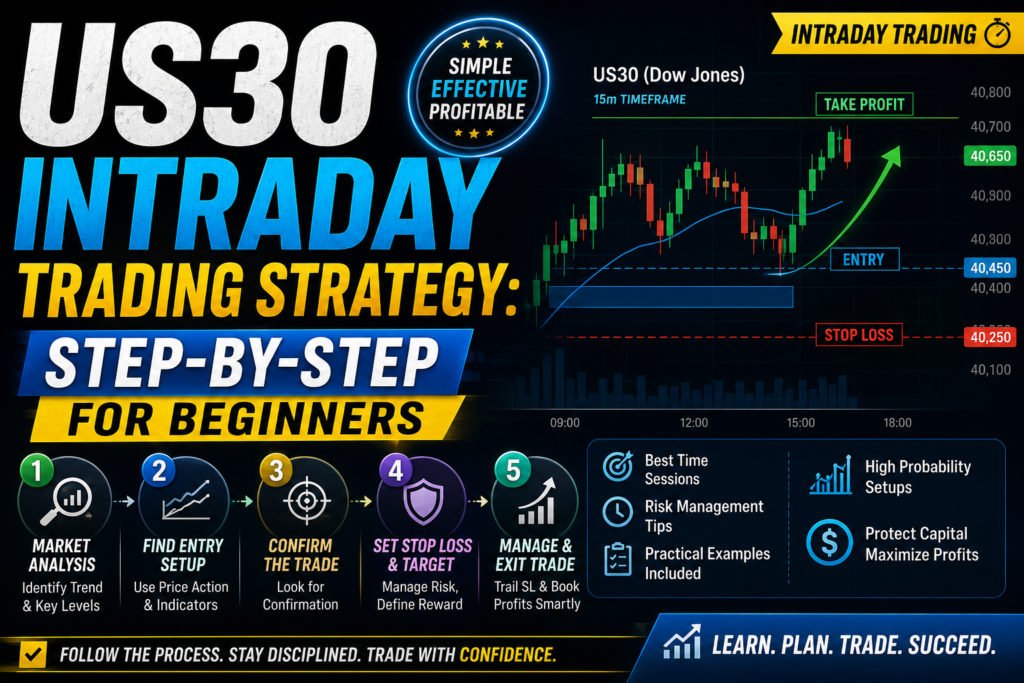

Introduction
Success in forex trading is not determined by how many trades a trader wins but by how effectively profits are managed relative to losses. One of the most important concepts that separates profitable traders from struggling traders is understanding the forex risk reward ratio. A well-structured risk-reward approach allows traders to remain profitable even when a significant percentage of trades result in losses.
Many beginner traders focus entirely on finding winning trades while ignoring the importance of trade management. Professional traders understand that a strong forex risk reward ratio can turn an average trading strategy into a profitable one over time. By consistently targeting larger gains than potential losses, traders can improve long-term performance and reduce the pressure of maintaining an extremely high win rate.
An effective trade management strategy involves determining appropriate stop-loss levels, profit targets, position sizes, and exit plans before entering a trade. This structured approach helps traders remain disciplined and avoid emotional decision-making.
Every successful trader also develops a profitable trading setup that combines technical analysis, market structure, and favorable risk-reward conditions. Even the best trading opportunities should be evaluated based on potential reward compared to risk.
Understanding stop loss and take profit placement is another critical component of successful forex trading. Proper stop-loss and take-profit levels help protect capital while maximizing profit potential.
In addition, strong forex money management ensures traders can survive losing streaks and maintain consistent growth over time. Without effective money management, even profitable trading systems can fail.
This guide explores risk-reward ratio strategies, trade management techniques, and practical methods for building a sustainable forex trading approach.
Understanding Forex Risk Reward Ratio
What Is Forex Risk Reward Ratio?
The forex risk reward ratio measures the amount of potential profit compared to the amount of capital risked on a trade.
For example:
Risking $100 to make $300 equals a 1:3 ratio.
Risking $100 to make $200 equals a 1:2 ratio.
The forex risk reward ratio helps traders evaluate whether a trade is worth taking before entering the market.
Why Forex Risk Reward Ratio Matters
A favorable forex risk reward ratio allows traders to remain profitable even with a lower win percentage.
For example:
50% win rate with 1:1 ratio = Break-even
50% win rate with 1:2 ratio = Profitable
50% win rate with 1:3 ratio = Highly profitable
This demonstrates why the forex risk reward ratio is one of the most important metrics in trading.
Building an Effective Trade Management Strategy
What Is a Trade Management Strategy?
A trade management strategy refers to the process of managing trades after entry.
This includes:
Position sizing
Stop-loss placement
Profit targets
Trade adjustments
Risk control
A strong trade management strategy helps traders protect profits and minimize losses.
Benefits of a Trade Management Strategy
An effective trade management strategy provides:
Greater consistency
Reduced emotional trading
Improved discipline
Better capital preservation
Enhanced profitability
Professional traders rely heavily on structured trade management processes.
Creating a Profitable Trading Setup
What Defines a Profitable Trading Setup?
A profitable trading setup combines favorable market conditions with strong risk-reward opportunities.
Components of a profitable trading setup often include:
Trend confirmation
Support and resistance levels
Technical indicators
Market structure analysis
Economic fundamentals
The best profitable trading setup opportunities occur when multiple factors align.
Trend-Based Profitable Trading Setup
Trend-following remains one of the most reliable methods for creating a profitable trading setup.
Strong trends often provide higher probability trade opportunities and better reward potential.
Breakout Profitable Trading Setup
Breakout strategies frequently produce excellent risk-reward opportunities.
Many traders build a profitable trading setup around key breakout levels.
Stop Loss and Take Profit Placement
Why Stop Loss and Take Profit Matter
Effective stop loss and take profit placement forms the foundation of risk management.
These levels define:
Maximum acceptable loss
Expected profit target
Trade structure
Risk-reward ratio
Without proper stop loss and take profit planning, traders expose themselves to unnecessary risk.
How to Place Stop Loss and Take Profit Levels
Successful traders often position stop loss and take profit orders based on:
Support and resistance
Volatility
Market structure
Technical indicators
Price action
This approach improves consistency and trade quality.
Common Stop Loss and Take Profit Mistakes
Many traders place stop loss and take profit levels too close to current market prices.
This can result in premature exits and reduced profitability.
Forex Money Management Fundamentals
What Is Forex Money Management?
Forex money management refers to controlling risk and preserving capital while pursuing consistent returns.
A strong forex money management plan determines:
Position sizes
Maximum account risk
Leverage usage
Trade allocation
Portfolio exposure
Why Forex Money Management Is Critical
Many traders fail because they neglect forex money management.
Even a profitable strategy can become unprofitable if risk is not controlled properly.
Strong forex money management protects traders during losing streaks and volatile market conditions.
Position Sizing and Forex Money Management
Position sizing remains one of the most important aspects of forex money management.
Most professionals risk only a small percentage of account capital on each trade.
Risk Reward Ratio and Winning Percentage
Understanding the Relationship
A strong forex risk reward ratio reduces dependence on a high win rate.
Consider these examples:
1:1 ratio requires higher accuracy.
1:2 ratio improves profitability potential.
1:3 ratio allows profitability even with lower win rates.
This relationship highlights the importance of proper trade planning.
Professional Trader Perspective
Many experienced traders prioritize forex risk reward ratio over winning percentage.
The goal is long-term profitability rather than short-term trade accuracy.
Technical Analysis for Risk Reward Trading
Support and Resistance
Support and resistance levels help traders identify favorable stop loss and take profit placements.
These levels often improve trade structure and reward potential.
Trendlines
Trendlines help define market direction and identify profitable trading setup opportunities.
Moving Averages
Moving averages assist in confirming trends and improving trade selection.
Combined with a strong trade management strategy, they enhance decision-making.
Trade Management Strategy During Volatile Markets
Adjusting Risk During Volatility
Volatile markets often require adjustments to a trade management strategy.
Traders may:
Reduce position sizes
Increase stop-loss distance
Lower leverage
Monitor positions more actively
These adjustments help maintain consistent risk exposure.
Risk Reward Opportunities in Volatile Markets
Volatility often creates larger price movements.
This can improve the forex risk reward ratio when trades are structured correctly.
Common Risk Reward Ratios Used by Traders
1:1 Risk Reward Ratio
This ratio targets equal reward relative to risk.
While common, many traders seek better opportunities.
1:2 Risk Reward Ratio
A 1:2 forex risk reward ratio remains one of the most popular approaches among professional traders.
1:3 Risk Reward Ratio
A 1:3 ratio offers excellent long-term profitability potential when combined with disciplined execution.
Developing a Complete Forex Money Management Plan

Risk Per Trade
Successful forex money management typically limits risk to 1–2% of account capital per trade.
Maximum Daily Loss
Many traders establish daily loss limits to protect capital.
Diversification
Diversification reduces overall portfolio risk.
Strong forex money management considers exposure across multiple currency pairs.
Psychological Benefits of Risk Reward Planning
Reduced Emotional Trading
A predefined trade management strategy removes uncertainty and improves discipline.
Increased Confidence
Knowing the exact stop loss and take profit levels before entering a trade increases confidence.
Long-Term Focus
Strong forex money management encourages traders to focus on long-term results rather than individual trades.
Common Mistakes Forex Traders Make
One common mistake is entering trades without calculating the forex risk reward ratio.
Another error involves constantly adjusting stop loss and take profit levels after entering a trade.
Many traders also ignore forex money management, risking excessive amounts of capital.
Others fail to follow a structured trade management strategy, allowing emotions to influence decisions.
Even strong profitable trading setup opportunities can fail if risk management is neglected.
Additional High-Volume Related Forex Keywords
Several related forex topics attract significant search volume and complement risk-reward trading.
Risk Management Forex
Strong risk management forex practices improve long-term survival.
Position Sizing Strategy
A proper position sizing strategy supports consistent profitability.
Forex Trading Psychology
Good psychology complements effective risk management.
Capital Preservation Trading
Capital preservation trading focuses on protecting account equity.
Reward to Risk Ratio
Many traders use the term reward to risk ratio interchangeably with risk-reward ratio.
Forex Trading Plan
A structured forex trading plan improves discipline and consistency.
Conclusion
Mastering the forex risk reward ratio is one of the most important steps toward becoming a consistently profitable trader. By developing a structured trade management strategy, identifying a strong profitable trading setup, properly implementing stop loss and take profit levels, and following disciplined forex money management principles, traders can significantly improve long-term performance.
Successful trading is not about winning every trade. It is about managing risk effectively, protecting capital, and ensuring that profitable trades outweigh losing ones over time. Traders who consistently apply sound risk-reward principles place themselves in a much stronger position for long-term success in the forex market.
FAQs
What is a forex risk reward ratio?
The forex risk reward ratio compares potential profit to potential loss on a trade.
What is a good forex risk reward ratio?
Many traders aim for a forex risk reward ratio of at least 1:2 or 1:3.
Why is a trade management strategy important?
A trade management strategy helps control risk, protect profits, and improve consistency.
What is a profitable trading setup?
A profitable trading setup combines favorable market conditions with strong risk-reward potential.
How should stop loss and take profit levels be placed?
Stop loss and take profit levels should be based on market structure, volatility, and technical analysis.