
Introduction
Banking crises are among the most disruptive events in global financial markets. When major banks face liquidity shortages, insolvency concerns, or financial instability, investor confidence can quickly deteriorate. These events often trigger significant volatility across stocks, bonds, commodities, and especially the foreign exchange market. For forex traders, understanding how a banking crisis forex environment affects currencies is essential for protecting capital and identifying trading opportunities.
A banking crisis can rapidly change market sentiment, leading to widespread fear and uncertainty. During such periods, financial market panic becomes a dominant force as investors seek to reduce risk exposure and preserve capital. This behavior frequently causes sharp movements in currency pairs and increases trading opportunities for prepared traders.
One of the most common responses to banking instability is increased demand for the USD safe haven. The US Dollar often attracts investors during periods of financial stress because of its status as the world’s reserve currency and its deep liquidity.
At the same time, heightened uncertainty creates ideal conditions for detailed forex volatility analysis. Traders who understand volatility patterns can better identify opportunities while managing risk effectively.
Many market participants also focus on recession trading strategies because banking crises often raise concerns about economic slowdowns or recessions. Understanding how to adapt to these conditions can significantly improve trading performance.
This guide explores how banking crises affect forex markets, explains key trading strategies, and highlights practical methods for managing risk during periods of financial instability.
Understanding Banking Crisis Forex Conditions
What Is a Banking Crisis?
A banking crisis occurs when financial institutions face severe operational or liquidity challenges that threaten their stability.
Common causes include:
Bank runs
Liquidity shortages
Excessive debt exposure
Credit market failures
Economic recessions
Poor risk management
During a banking crisis forex environment, investor confidence often declines rapidly, creating substantial volatility in global currency markets.
Why Forex Markets React Strongly
Currencies are closely connected to economic confidence and financial stability.
When a banking crisis emerges, traders reassess economic growth expectations, monetary policy outlooks, and investment risks.
As a result, a banking crisis forex event frequently produces significant currency market movement.
Financial Market Panic and Currency Movements
Understanding Financial Market Panic
Financial market panic occurs when investors react emotionally to uncertainty and perceived threats to financial stability.
During periods of financial market panic, traders often:
Reduce risk exposure
Sell risky assets
Increase cash holdings
Seek safe-haven investments
These actions create strong currency fluctuations and increase volatility.
How Panic Influences Forex Trading
A major feature of financial market panic is the rapid reallocation of capital.
Investors often move funds away from risk-sensitive currencies and into safer alternatives.
This behavior significantly impacts exchange rates and creates opportunities for experienced traders.
Repeated episodes of financial market panic have historically produced some of the largest forex market movements.
USD Safe Haven Demand During Banking Crises
Why the US Dollar Is a Safe Haven
The USD safe haven status stems from several factors:
Global reserve currency role
High liquidity
Strong financial infrastructure
Widespread international acceptance
During financial instability, investors frequently increase exposure to the USD safe haven because it provides perceived security and stability.
Historical Examples
Several major financial events have demonstrated the strength of the USD safe haven.
Examples include:
Global Financial Crisis
COVID-19 market panic
Regional banking failures
Sovereign debt concerns
In each case, demand for the USD safe haven increased significantly.
Trading USD During Banking Crises
Many traders incorporate USD safe haven analysis into their broader forex strategies.
Understanding safe-haven flows helps identify potential opportunities during periods of elevated uncertainty.
Forex Volatility Analysis During Banking Crises
Why Volatility Increases
Banking crises create uncertainty regarding:
Economic growth
Financial stability
Central bank actions
Investor confidence
This uncertainty contributes to heightened market volatility.
Effective forex volatility analysis allows traders to better understand market conditions and identify opportunities.
Measuring Volatility
Several tools support forex volatility analysis, including:
Average True Range (ATR)
Bollinger Bands
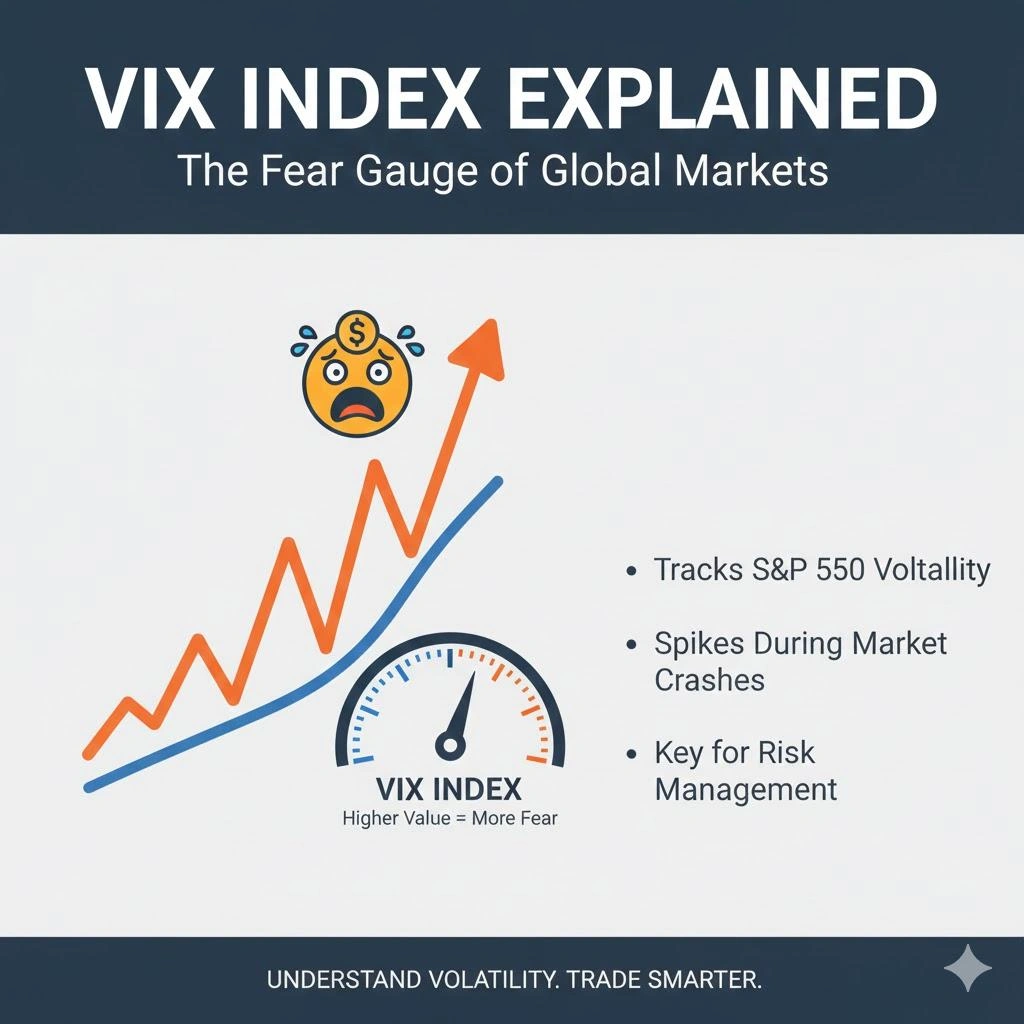
Volatility Indexes
Historical volatility measurements
These indicators help traders evaluate changing market conditions.
Using Forex Volatility Analysis for Trade Planning
Successful traders use forex volatility analysis to:
Determine position size
Adjust stop-loss placement
Identify breakout opportunities
Measure market risk
A structured approach to forex volatility analysis improves decision-making during uncertain periods.
Recession Trading and Banking Crises

The Connection Between Banking Crises and Recessions
Banking crises often lead to reduced lending activity, lower business investment, and weaker economic growth.
These conditions can contribute to recessions.
As a result, many traders focus on recession trading opportunities when banking instability emerges.
What Is Recession Trading?
Recession trading involves positioning for market movements associated with slowing economic activity.
Common recession trading themes include:
Safe-haven currency demand
Defensive asset allocation
Lower interest rate expectations
Economic contraction forecasts
Understanding recession trading helps traders anticipate market reactions before major economic shifts occur.
Currency Pairs Affected by Recession Trading
Several currency pairs frequently respond to recession concerns:
USD/JPY
EUR/USD
GBP/USD
USD/CHF
AUD/USD
These pairs often experience significant movement during periods of active recession trading.
Safe Haven Currencies During Banking Crises
US Dollar
The USD safe haven remains one of the most important currencies during financial instability.
Its global role often attracts capital during periods of uncertainty.
Japanese Yen
The Japanese Yen frequently strengthens during episodes of financial market panic.
Investors view it as a reliable safe-haven asset.
Swiss Franc
The Swiss Franc has long been associated with financial stability and low risk.
Many traders monitor CHF pairs during a banking crisis forex environment.
Central Bank Responses to Banking Crises
Emergency Liquidity Measures
Central banks often intervene to stabilize financial systems.
These actions may include:
Emergency lending programs
Liquidity injections
Interest rate adjustments
Bank guarantees
Such measures can significantly influence a banking crisis forex environment.
Interest Rate Policy Changes
Banking crises often alter interest rate expectations.
Changes in monetary policy directly affect currency valuations and market sentiment.
Trading Strategies During Banking Crises
Trend Following
Strong market trends often emerge during banking crises.
Trend-following strategies can help traders capitalize on sustained directional movement.
Breakout Trading
Periods of financial market panic frequently generate significant breakouts from key technical levels.
These breakouts often create attractive trading opportunities.
Safe Haven Trading
Monitoring USD safe haven demand and other safe-haven currencies can provide valuable trading signals.
Volatility-Based Trading
A strong forex volatility analysis framework helps traders identify high-probability opportunities during turbulent conditions.
Risk Management During Banking Crises
Risk management becomes even more important during a banking crisis forex environment.
Successful traders often:
Reduce leverage
Use stop-loss orders
Monitor economic developments
Avoid emotional decision-making
Adjust position sizes
Strong risk management helps traders survive periods of elevated uncertainty and financial market panic.
Common Mistakes Traders Make During Banking Crises
One common mistake is reacting emotionally to headlines rather than following a structured plan.
Another error involves ignoring forex volatility analysis and underestimating market risk.
Many traders also fail to recognize the importance of USD safe haven flows during financial instability.
Others overlook broader recession trading themes that influence currency valuations.
Maintaining discipline remains critical during a banking crisis forex environment.
Additional High-Volume Forex Keywords Related to Banking Crises
Several related forex topics attract substantial search volume and complement this subject.
Safe Haven Currencies
Understanding safe haven currencies improves crisis-related trading decisions.
Forex Risk Management
Strong forex risk management becomes essential during banking instability.
Currency Market Volatility
Banking crises frequently generate increased currency market volatility.
Economic Uncertainty Trading
Many professionals specialize in economic uncertainty trading strategies.
Central Bank Forex Policy
Monitoring central bank forex policy helps traders anticipate market responses.
Global Financial Crisis Trading
Lessons from global financial crisis trading remain relevant today.
Conclusion
Banking crises create some of the most challenging and opportunity-rich conditions in forex markets. Understanding how a banking crisis forex environment affects investor behavior, market sentiment, and currency flows is essential for successful trading.
By recognizing the effects of financial market panic, monitoring USD safe haven demand, conducting detailed forex volatility analysis, and incorporating effective recession trading strategies, traders can better navigate periods of financial instability.
Although risks increase during banking crises, disciplined analysis, sound risk management, and a structured trading plan can help traders identify opportunities while protecting capital.
FAQs
What is banking crisis forex trading?
Banking crisis forex trading involves analyzing and trading currencies during periods of financial system instability and banking sector stress.
What causes financial market panic?
Financial market panic is typically caused by uncertainty, economic instability, banking failures, or concerns about financial system health.
Why is the US Dollar considered a safe haven?
The USD safe haven status comes from its global reserve currency role, high liquidity, and widespread international acceptance.
What is forex volatility analysis?
Forex volatility analysis involves measuring and evaluating currency price fluctuations to identify trading opportunities and manage risk.
What is recession trading?
Recession trading focuses on market opportunities associated with slowing economic growth, declining investor confidence, and changing monetary policy expectations.
Which currencies perform best during banking crises?
The USD safe haven, Japanese Yen, and Swiss Franc often perform well during periods of financial instability and elevated market uncertainty.