
Introduction
The forex market is one of the most dynamic and fast-moving financial markets in the world. Every day, traders face constant price fluctuations, economic announcements, geopolitical events, and unexpected market shocks. While technical analysis, fundamental analysis, and risk management are essential components of trading success, one factor often determines whether a trader succeeds or fails: forex psychology.
Many traders spend years learning indicators, chart patterns, and trading strategies but overlook the importance of mental discipline. During periods of uncertainty and increased volatility, emotions can quickly take control of decision-making. This is where emotional trading control becomes critical.
A trader’s ability to maintain a strong trader mindset, practice discipline in trading, and overcome fear and greed trading behaviors often separates profitable traders from unsuccessful ones. Regardless of how effective a strategy may be, emotional decisions can undermine even the best trading systems.
Market volatility creates both opportunities and challenges. Sharp price movements can generate substantial profits, but they can also trigger emotional responses that lead to poor decisions. Understanding forex psychology and developing mental resilience can help traders navigate volatile markets more effectively.
This guide explores the psychology behind forex trading, explains how emotions influence performance, and provides practical techniques for improving trading discipline during volatile market conditions.
Understanding Forex Psychology
Forex psychology refers to the mental and emotional factors that influence trading decisions.
Every trade involves uncertainty. Even the most carefully analyzed setup can result in a loss. As a result, emotions naturally become part of the trading process.
Successful forex psychology involves managing emotions effectively while maintaining objectivity and discipline. Traders who understand forex psychology recognize that long-term success depends not only on strategy but also on emotional stability.
Market volatility often amplifies emotional responses, making psychological control even more important.
Why Psychology Matters More During Market Volatility
Increased Emotional Pressure
Volatile markets create larger and faster price movements.
As profits and losses fluctuate more rapidly, traders often experience heightened emotional stress. This environment can challenge even experienced professionals.
Strong emotional trading control becomes essential when market conditions become unpredictable.
Without proper emotional management, traders may abandon their plans and make impulsive decisions.
Faster Decision-Making Requirements
Volatile conditions often require traders to react quickly.
A strong trader mindset helps maintain focus and prevents emotional reactions from interfering with logical analysis.
Traders who develop a disciplined approach are better equipped to handle rapid market changes.
Emotional Trading Control: The Foundation of Trading Success
What Is Emotional Trading Control?
Emotional trading control refers to the ability to manage emotions while making trading decisions.
Fear, excitement, frustration, and overconfidence can all influence judgment.
Successful emotional trading control involves recognizing emotional responses without allowing them to dictate actions.
Traders with strong emotional trading control remain focused on their strategy regardless of short-term outcomes.
Why Emotional Control Is Difficult
Trading involves real financial risk.
Losses can trigger anxiety, while winning streaks can create overconfidence.
Without effective emotional trading control, traders often deviate from their plans and make costly mistakes.
Developing emotional discipline requires practice, self-awareness, and consistency.
Building a Strong Trader Mindset
Thinking Like a Professional
A successful trader mindset focuses on long-term consistency rather than short-term results.
Professional traders understand that losses are a normal part of trading.
Instead of focusing on individual trades, they evaluate performance over a series of trades.
Developing a strong trader mindset helps reduce emotional attachment to outcomes.
Accepting Uncertainty
No trading strategy can guarantee success on every trade.
A healthy trader mindset accepts uncertainty and focuses on probability rather than certainty.
This perspective helps traders maintain confidence even during losing streaks.
Continuous Improvement
A growth-oriented trader mindset emphasizes learning and adaptation.
Markets evolve constantly, and successful traders continuously refine their skills and strategies.
Discipline in Trading During Volatile Markets
Why Discipline Matters
Among all trading skills, discipline in trading may be the most important.
Discipline ensures traders follow their plans regardless of emotions or market noise.
Periods of high volatility often tempt traders to abandon rules and chase opportunities.
Strong discipline in trading prevents impulsive decisions and protects long-term profitability.
Following a Trading Plan
A trading plan provides structure and consistency.
Traders who demonstrate strong discipline in trading execute their strategies exactly as planned.
This consistency reduces emotional decision-making and improves performance over time.
Managing Risk Consistently
Risk management is a critical component of discipline in trading.
Successful traders define risk before entering positions and avoid increasing exposure impulsively.
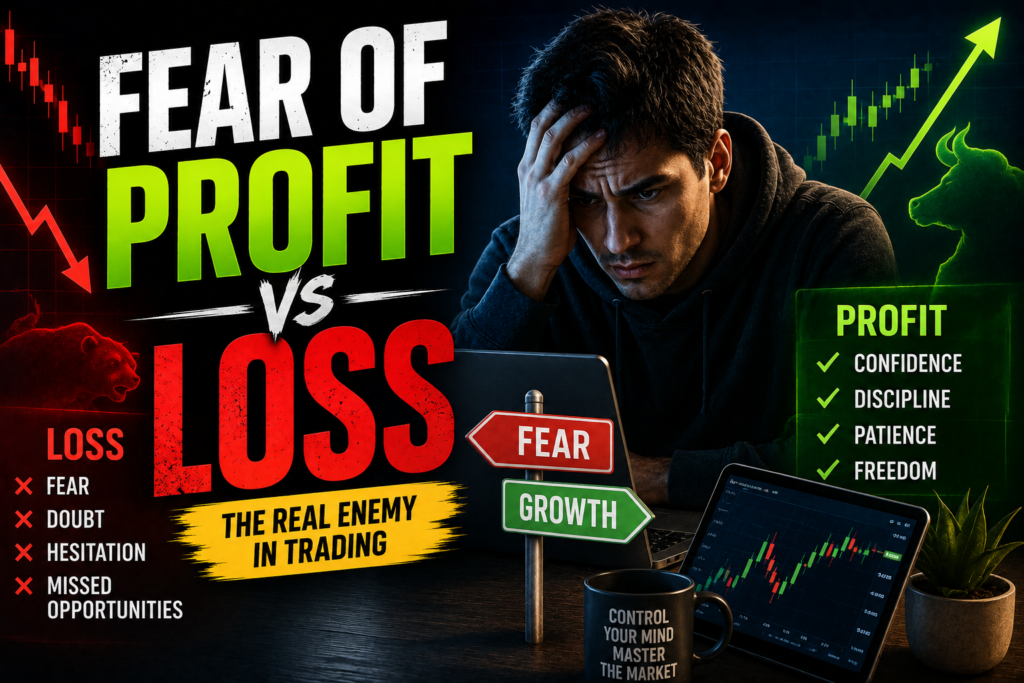
Fear and Greed Trading: The Biggest Psychological Challenges

Understanding Fear in Trading
Fear is one of the most powerful emotions affecting traders.
Common forms of fear include:
Fear of losing money
Fear of missing out
Fear of entering trades
Fear of holding positions
These emotions contribute significantly to fear and greed trading behavior.
Fear often causes traders to exit positions too early or avoid valid opportunities.
Understanding Greed in Trading
Greed can be equally destructive.
Traders experiencing greed often:
Increase position sizes excessively
Ignore risk management rules
Hold trades too long
Overtrade after winning streaks
These behaviors are common examples of fear and greed trading mistakes.
Balancing Fear and Greed
The goal is not to eliminate emotions entirely but to manage them effectively.
Understanding fear and greed trading patterns helps traders identify emotional triggers before they affect performance.
Common Psychological Mistakes During Market Volatility
Revenge Trading
After a loss, some traders immediately enter new positions to recover money.
This behavior often results from poor emotional trading control and frequently leads to additional losses.
Overtrading
Volatile markets create numerous opportunities.
However, excessive trading often reflects emotional decision-making rather than strategic thinking.
Strong discipline in trading helps prevent overtrading.
Ignoring Trading Plans
Many traders abandon their strategies during periods of stress.
A strong trader mindset helps maintain consistency even when markets become unpredictable.
Fear and Greed Trading Cycles
Repeated cycles of fear and excitement can lead to inconsistent results.
Recognizing fear and greed trading patterns is essential for long-term improvement.
How Market Volatility Impacts Trader Psychology
Rapid Price Movements
Sharp market movements often create emotional reactions.
Strong forex psychology helps traders remain calm and objective during volatile conditions.
Increased Uncertainty
Volatility increases uncertainty regarding future price direction.
A disciplined approach and effective emotional trading control help traders avoid panic-driven decisions.
Greater Opportunity and Greater Risk
Volatile markets create larger profit opportunities but also increase risk exposure.
Developing a resilient trader mindset allows traders to balance opportunity and risk effectively.
Practical Techniques for Improving Forex Psychology
Keep a Trading Journal
A trading journal helps identify emotional patterns and recurring mistakes.
Tracking emotional responses can improve both forex psychology and emotional trading control.
Use Predefined Risk Limits
Risk limits reduce emotional decision-making.
This practice strengthens discipline in trading and protects capital.
Focus on Process Rather Than Results
Successful traders focus on executing their plans correctly rather than obsessing over individual outcomes.
This approach supports a healthier trader mindset.
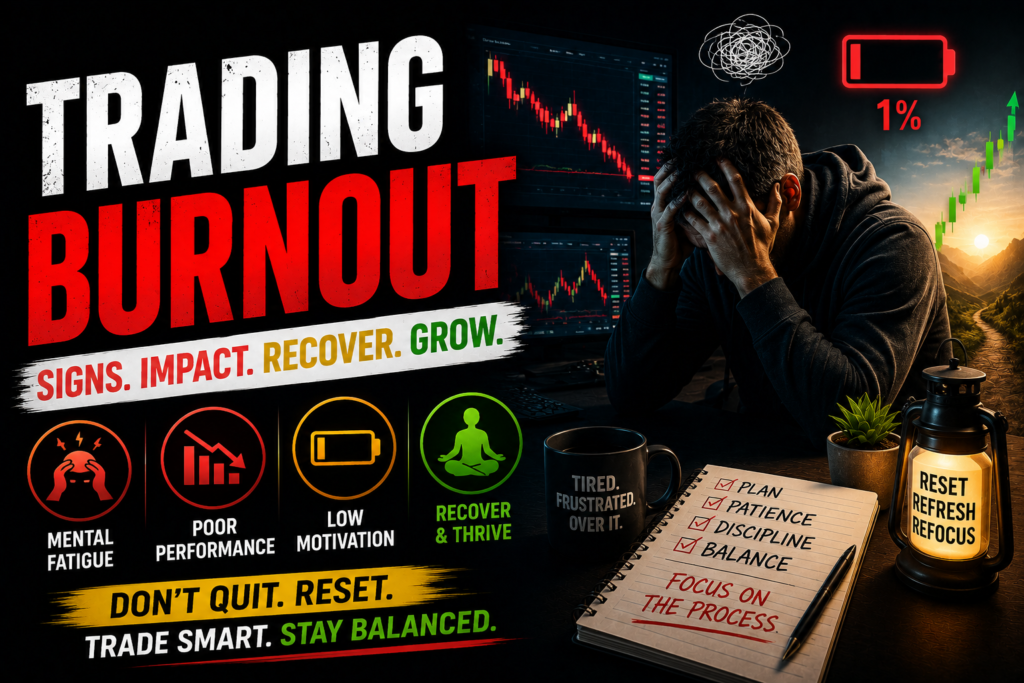
Take Breaks During Stressful Periods
Mental fatigue often contributes to poor decisions.
Taking breaks can improve focus and reduce fear and greed trading tendencies.
High-Volume Related Keywords for Forex Psychology
Several related topics are commonly searched by forex traders:
Trading Psychology
Understanding trading psychology is essential for long-term success.
Forex Risk Management
Strong forex risk management supports emotional stability and disciplined decision-making.
Trading Discipline
Developing trading discipline improves consistency and reduces impulsive actions.
Trading Mindset
A professional trading mindset helps traders navigate uncertainty effectively.
Emotional Intelligence in Trading
Emotional intelligence in trading supports better decision-making under pressure.
Trader Performance Improvement
Many traders focus on trader performance improvement through psychological development.
Conclusion
Mastering forex psychology is one of the most important steps toward becoming a consistently profitable trader. While technical skills and market knowledge are essential, emotional management often determines long-term success.
Developing strong emotional trading control, maintaining a professional trader mindset, and practicing consistent discipline in trading can help traders navigate volatile market conditions with confidence.
Understanding the dangers of fear and greed trading allows traders to recognize emotional triggers and avoid costly mistakes. By focusing on process, risk management, and continuous improvement, traders can build the psychological resilience needed for sustainable success in the forex market.
FAQs
What is forex psychology?
Forex psychology refers to the emotional and mental factors that influence trading decisions and overall performance.
Why is emotional trading control important?
Emotional trading control helps traders avoid impulsive decisions, follow their strategies, and manage risk effectively.
What is a trader mindset?
A trader mindset is a professional approach to trading that focuses on probability, consistency, discipline, and long-term success.
Why is discipline in trading important?
Discipline in trading ensures traders follow their plans, manage risk properly, and avoid emotional decision-making.
What is fear and greed trading?
Fear and greed trading refers to emotional behaviors that cause traders to make irrational decisions based on anxiety or excessive confidence.
How can traders improve forex psychology?
Traders can improve forex psychology by maintaining a trading journal, following risk management rules, focusing on process, and continuously developing emotional awareness.