
Knowing how to trade sudden volatility in forex separates traders who survive market chaos from those who blow up their accounts. Prices can move 200 pips in minutes after a surprise central bank announcement or geopolitical shock. Without a real plan, you’re just gambling. At Insightful Trade, we’ve built our entire approach around helping traders turn unpredictable market spikes into structured opportunities — not panic-inducing disasters.
⚡ Key Takeaways
- Breakout trading works best – Identifying consolidation zones before high-impact events gives you a clear entry trigger when volatility strikes.
- ATR is your volatility compass – The Average True Range indicator tells you exactly how much a pair is moving so you can size positions appropriately.
- Risk management isn’t optional – Tight stop-losses and disciplined position sizing are what keep you in the game long-term.
- News calendars are free alpha – Monitoring economic events in advance lets you prepare instead of react.
- Emotions kill accounts faster than bad trades – Having a written plan before volatility hits removes impulsive decision-making from the equation.
1. Introduction: Why Sudden Volatility in Forex Demands a Proven Plan

1.1. What Is Sudden Volatility and Why It Happens
Sudden volatility in forex refers to sharp, rapid price movements triggered by unexpected events — think surprise interest rate decisions, political crises, or major economic data releases. The forex market trades over $7.5 trillion daily, according to the Bank for International Settlements (2022), making it the most liquid financial market on earth. But liquidity doesn’t equal stability. When institutional players rush to reposition, retail traders get caught in the crossfire.
1.2. Impact of Global Events on Forex Volatility
From the 2024 yen carry trade unwind to unexpected Fed pivots in 2025, global events consistently create violent forex swings. Central bank surprises, geopolitical conflicts, and even unexpected earnings from major corporations can ripple through currency markets within seconds. Understanding these triggers is the first step toward mastering how to trade sudden volatility in forex without losing your shirt.
1.3. How Insightful Trade Helps Traders Stay Ahead
Insightful Trade provides traders with real-time analysis, structured forex volatility strategies, and educational resources designed for both beginners and experienced traders. Our goal is simple: replace guesswork with process.
2. Understanding Forex Volatility: The Foundation Every Trader Needs
2.1. Key Indicators That Signal Sudden Volatility
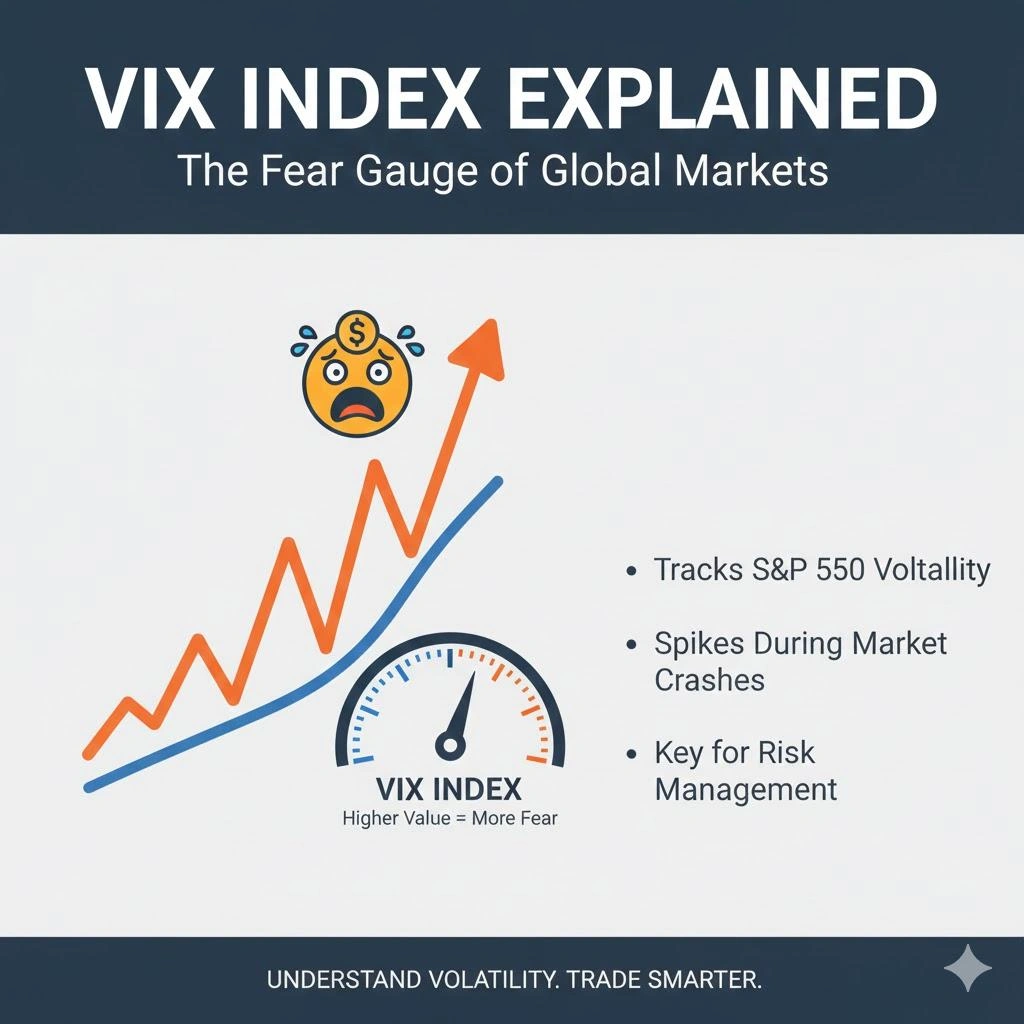
Before you can trade volatility, you need to spot it coming. The VIX’s forex equivalent — the Deutsche Bank Currency Volatility Index — spikes ahead of major risk events. Bollinger Band squeezes on hourly charts often precede explosive breakouts. I’ve seen traders ignore these signals repeatedly, then wonder why they got stopped out seconds after entering a trade.
2.2. How Volatility Differs Across Major Currency Pairs
Not all pairs behave the same under stress. EUR/USD tends to move more predictably around ECB decisions, while exotic pairs like USD/TRY or USD/ZAR can gap dramatically on political news. GBP/USD remains one of the most volatile major pairs — average daily ranges regularly exceed 100 pips. Matching your forex volatility strategies to the specific pair you’re trading matters enormously.
According to a 2024 Forex.com volatility report, GBP/USD experienced average daily ranges 40% wider than EUR/USD during major news events — making pair selection a critical component of any volatility trading plan.
2.3. AI in Forex Trading
In 2026, we’re seeing AI-powered tools that scan news sentiment, order flow data, and technical patterns simultaneously. Platforms like MetaTrader 5 with integrated AI plugins now alert traders to volatility clusters before they fully develop. This technology is no longer exclusive to hedge funds — retail traders can access it too.
3. 5 Proven Forex Volatility Strategies to Trade Sudden Market Moves
3.1. Strategy 1: Breakout Trading During High-Volatility Events
Identify consolidation ranges forming before scheduled news releases. Place buy-stop and sell-stop orders just outside the range boundaries. When the news drops, one order triggers and you ride the momentum. The key is canceling the unfilled order immediately to avoid a double position. This is one of the most reliable forex volatility strategies for NFP and CPI releases.
3.2. Strategy 2: Using the ATR Indicator to Gauge Market Swings
The Average True Range (ATR) tells you the average price movement over a set period. If EUR/USD has a 14-period ATR of 80 pips on the daily chart, setting a 20-pip stop-loss during a high-volatility event is a recipe for getting stopped out repeatedly. Match your stop distance to the ATR reading. It’s that straightforward.
3.3. Strategy 3: Hedging Positions to Offset Sudden Price Spikes
Hedging involves opening an opposing position to limit downside exposure. If you’re long GBP/USD ahead of a Bank of England decision, a smaller short position in EUR/GBP can offset some risk. It’s not about eliminating losses — it’s about controlling them. Risk management in forex doesn’t get more practical than this.
3.4. Strategy 4: News-Based Trading With Tight Entry and Exit Rules
News trading without rules is just speculation. Define your entry trigger (e.g., price breaks above the pre-news high), your stop-loss level, and your profit target before the announcement. A 1:2 risk-to-reward ratio minimum keeps this approach mathematically viable over time. Discipline here is everything.
4. Risk Management in Forex: Protecting Your Capital When Markets Spike

4.1. Setting Stop-Loss and Take-Profit Levels Under Volatile Conditions
During high-volatility events, widen your stop-loss to account for spread expansion and erratic price action — but reduce your position size proportionally. A 50-pip stop with 0.5 lots carries the same dollar risk as a 25-pip stop with 1 lot. Proper risk management in forex means the math works regardless of market conditions.
4.2. Position Sizing Techniques for Unpredictable Markets
Never risk more than 1-2% of your account on a single volatile trade. A 2025 study by the National Futures Association found that traders who consistently risked over 5% per trade had account failure rates exceeding 70% within six months. Position sizing isn’t exciting, but it’s what keeps you trading next month.
Traders who risk more than 5% per trade experience account failure rates above 70% within six months — National Futures Association analysis, 2025. Risk management in forex is the single most important skill you can develop.
4.3. Emerging Trends in Forex Risk Management
The latest trend in 2026 is dynamic risk management — algorithms that automatically adjust position sizes based on real-time volatility readings. Tools like Darwinex and Myfxbook’s risk analysis features now offer retail traders institutional-grade risk monitoring. Ignoring these tools is leaving free protection on the table.
5. How to Trade Sudden Volatility in Forex: Step-by-Step Practical Guide
5.1. Step 1: Monitor Economic Calendars and News Feeds
Forex Factory and Investing.com publish weekly economic calendars with impact ratings. High-impact events — NFP, CPI, central bank decisions — are your primary volatility triggers. Check the calendar every Sunday before the trading week begins. This single habit transforms how to trade sudden volatility in forex from reactive to proactive.
5.2. Step 2: Identify Key Support and Resistance Levels Before Events
Mark your key levels on the 4-hour and daily charts before any high-impact release. These levels act as magnets during volatile moves — price often blows through them, reverses, and retests. Knowing where these zones sit gives you logical entry and exit points rather than random guesses.
5.3. Step 3: Execute and Manage Trades in Real Time
Use limit orders instead of market orders during volatile events to avoid catastrophic slippage. Once in a trade, move your stop to breakeven after the position moves 1R in your favor. Partial profit-taking at key resistance levels locks in gains while leaving room for the trade to run further.
5.4. Trading Tips for Beginners Entering Volatile Markets
Here are essential trading tips for beginners facing their first volatile market:
- Start with a demo account during high-impact news events before risking real capital
- Reduce position sizes to 50% of normal during your first ten volatile trades
- Never trade the first 60 seconds after a major news release — let the initial chaos settle
- Keep a trading journal documenting every volatile trade and your emotional state
6. Common Pitfalls to Avoid When Trading Forex Volatility
6.1. Overtrading During News Events
What most people miss is that the best volatility trade is often no trade at all. Overtrading during news events is the fastest way to turn a profitable week into a losing month. One high-quality setup beats five mediocre ones every time. Patience is a genuine edge in volatile markets.
6.2. Ignoring Spread Widening and Slippage Risks
During major news releases, EUR/USD spreads can widen from 0.1 pips to 5+ pips in seconds. That 5-pip spread instantly eats into your profit target. Always factor in worst-case spread scenarios when calculating trade viability. This is one of the most overlooked trading tips for beginners and experienced traders alike.
6.3. Letting Emotions Override Your Trading Plan
Fear and greed are amplified during volatile conditions. I’ve seen traders abandon perfectly valid setups because a market moved 30 pips against them temporarily, only to watch it reverse and hit their original target. Write your plan before the event. Then follow it mechanically. Your future self will thank you.
7. Conclusion: Build Confidence Trading Sudden Volatility With Insightful Trade
7.1. Recap of the 5 Proven Strategies
Mastering how to trade sudden volatility in forex comes down to preparation and discipline. Use breakout trading, ATR-based position sizing, strategic hedging, and news-based entries with defined rules. Each strategy works independently, but combining them creates a genuinely robust approach to volatile markets that holds up across different currency pairs and market conditions.
7.2. Next Steps to Sharpen Your Forex Volatility Skills
Start by backtesting these forex volatility strategies on historical news events using your broker’s charting platform. Then paper-trade them live before committing real capital. Insightful Trade’s resources, including our volatility playbooks and weekly market briefings, give you the structured support to accelerate that learning curve significantly.
8. FAQ: How to Trade Sudden Volatility in Forex
8.1. What is how to trade sudden volatility in forex?
It refers to the set of strategies, tools, and risk management techniques traders use to capitalize on rapid, unexpected price movements in currency markets — caused by events like central bank decisions, geopolitical news, or major economic data releases.
8.2. Why is how to trade sudden volatility in forex important?
Volatile markets create the largest price movements and therefore the biggest profit opportunities — but also the greatest risks. Traders without a structured approach to volatility consistently lose capital during these events while prepared traders capture significant gains.
8.3. How can I prepare for sudden volatility in forex?
Monitor economic calendars weekly, identify key technical levels before high-impact events, set predefined entry and exit rules, and reduce position sizes during uncertain periods. Preparation before volatility strikes is what separates profitable traders from reactive ones.
8.4. What are common mistakes in trading forex volatility?
The most common mistakes include overtrading during news events, ignoring spread widening, using oversized positions, abandoning trading plans mid-trade due to emotional reactions, and failing to account for slippage when calculating potential returns on volatile trades.
8.5. What tools help in trading during sudden volatility?
Essential tools include economic calendars (Forex Factory, Investing.com), ATR indicators for volatility measurement, AI-powered sentiment analysis platforms, broker risk management dashboards, and trading journals to track performance patterns across different volatility conditions.