
The energy crisis impact on forex is no longer a background concern — it’s front and center for every serious trader in April 2026. From surging natural gas prices in Europe to Middle Eastern supply disruptions rattling oil benchmarks, energy volatility is directly feeding currency volatility. If you’re trading forex right now without watching energy markets, you’re missing half the picture.
⚡ Key Takeaways
- Energy prices drive currency values – Oil and gas exporters see their currencies strengthen when prices spike, while importers suffer.
- Safe-haven currencies benefit during energy turmoil – USD, CHF, and JPY typically attract capital when energy-driven uncertainty peaks.
- Emerging market currencies are most vulnerable – Nations dependent on energy imports face compounding pressure from inflation and currency depreciation.
- Central bank responses matter enormously – Rate decisions triggered by energy inflation reshape forex trends faster than the energy shock itself.
- Real-time monitoring is non-negotiable – Traders who track crude inventories, LNG spot prices, and OPEC announcements gain a measurable edge.
1. Introduction: The Energy Crisis and Its Ripple Effects on Forex

1.1. Overview of the Current Global Energy Crisis
By early 2026, the world is navigating a multi-layered energy crunch. Geopolitical friction across Eastern Europe, renewed tensions in the Strait of Hormuz, and slower-than-expected renewable energy transitions have kept fossil fuel prices elevated. According to the International Energy Agency (IEA, 2025), global energy demand outpaced supply growth for the third consecutive year, pushing Brent crude above $95 per barrel for extended periods.
1.2. Why Energy Markets and Forex Markets Are Deeply Connected
Energy is priced in US dollars. That single fact creates a direct, structural link between oil markets and forex. When energy prices climb, petrodollar flows shift. Countries exporting energy accumulate dollar reserves and convert them — moving exchange rates. Countries importing energy see their trade balances deteriorate, weakening their currencies. It’s a mechanical relationship that plays out every single trading day.
1.3. What Traders at Insightful Trade Need to Know Right Now
At Insightful Trade, we’re seeing traders increasingly blur the line between commodity analysis and forex strategy. That’s smart. Understanding the energy crisis impact on forex isn’t optional anymore — it’s a core competency for anyone trading major and minor pairs in the current environment.
2. Understanding the Energy Crisis Impact on Forex
2.1. Energy Prices and Their Volatility
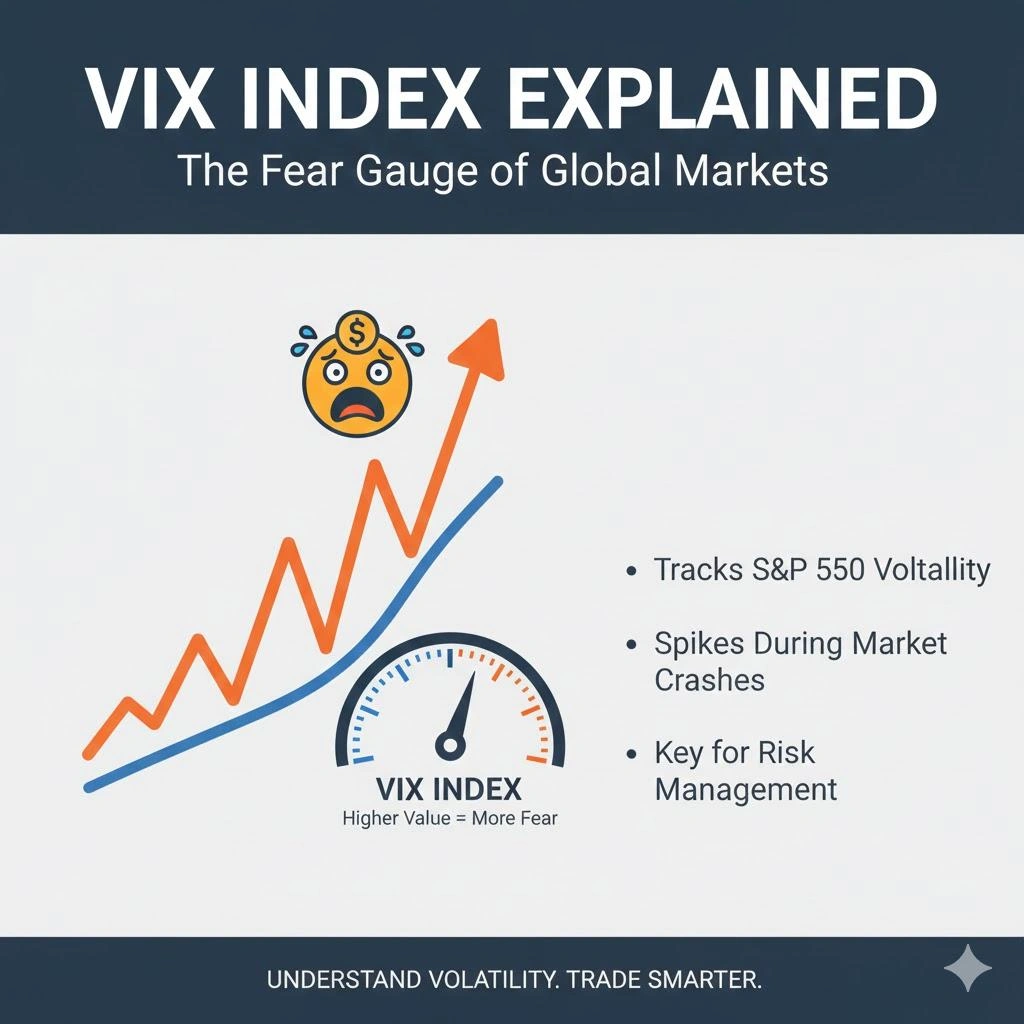
Energy price volatility has intensified dramatically. The CBOE Crude Oil Volatility Index averaged 42 points through Q1 2026, compared to a long-run average closer to 30. That volatility doesn’t stay contained in commodity markets — it bleeds directly into forex pairs tied to energy-exporting or importing economies.
Brent crude swung more than 18% in a single month during Q4 2025 — triggering correlated moves in NOK/USD, CAD/JPY, and RUB-linked instruments. (Source: Bloomberg Commodities, 2025)
2.2. Global Economic Impact of Energy Shortages
Energy shortages translate into inflation, reduced industrial output, and slower GDP growth. The IMF’s World Economic Outlook (October 2025) revised down growth forecasts for energy-importing economies by an average of 0.6 percentage points. Lower growth expectations reduce central bank hawkishness, which weakens currencies. That’s the transmission mechanism traders need to track.
2.3. How Geopolitical Tensions Influence Forex Markets
Geopolitical risk doesn’t just affect energy supply — it triggers risk-off sentiment across all asset classes. When traders go risk-off, they dump emerging market currencies and pile into USD, CHF, and gold. The energy crisis impact on forex is therefore amplified by the geopolitical context surrounding each supply disruption.
3. Current Forex Market Trends Driven by the Energy Crisis
3.1. Currency Pairs Most Affected by Energy Price Swings
Among current forex market trends, the clearest energy-forex correlations appear in USD/CAD, EUR/NOK, and USD/RUB. The Canadian dollar moves almost in lockstep with WTI crude. Norway’s krone tracks Brent closely. These aren’t coincidences — they reflect genuine trade balance and revenue dynamics.
3.2. Safe-Haven Currencies Gaining Strength During Energy Turmoil
The Swiss franc and Japanese yen have both strengthened during peak energy uncertainty windows in 2025–2026. Interestingly, the USD plays a dual role — it’s a safe haven AND the pricing currency for oil, which sometimes creates conflicting pressures. Traders monitoring current forex market trends should watch how DXY behaves relative to crude inventory reports.
3.3. Emerging Market Currencies Under Pressure
Turkey, Pakistan, and several sub-Saharan African nations have seen their currencies depreciate sharply due to energy import costs. Turkey’s lira lost approximately 22% of its value against the dollar in 2025, partly driven by soaring natural gas import bills. These are the currencies where energy crisis dynamics hit hardest and fastest.
4. How to Navigate Forex Trading During an Energy Crisis

4.1. Monitoring Energy Market Indicators as Forex Signals
The EIA weekly crude inventory report, OPEC+ production decisions, and LNG spot prices are all actionable forex signals. I’ve seen traders ignore these entirely, then wonder why their EUR/USD position moved against them after a surprise inventory draw. Don’t make that mistake.
4.2. Adjusting Your Trading Strategy to Reflect Energy-Driven Volatility
Wider stop-losses, reduced position sizes, and shorter holding periods make sense during peak energy volatility. Forex trading during crisis conditions rewards flexibility over conviction. A rigid strategy built for calm markets will get punished when energy headlines dominate the news cycle.
4.3. Using Technical and Fundamental Analysis Together During a Crisis
Technical analysis tells you where price is; fundamental analysis tells you why it might move. During an energy crisis, fundamentals dominate. But technical levels — support, resistance, moving averages — still act as friction points that determine timing. Use both, weighted toward fundamentals when energy volatility is extreme.
4.4. Risk Management Techniques for Forex Trading During Crisis
- Cap individual trade risk at 1–2% of account equity during high-volatility energy events
- Use options or structured products to hedge directional exposure on energy-correlated pairs
- Avoid holding large positions through major OPEC announcements or geopolitical flashpoints
- Diversify across uncorrelated pairs — don’t stack long positions in CAD, NOK, and RUB simultaneously
5. Real-World Examples: Energy Crises and Forex Market Reactions
5.1. The 1970s Oil Embargo and Its Forex Legacy
The 1973 OPEC oil embargo didn’t just cause gasoline lines — it destroyed the Bretton Woods system’s remnants and accelerated the shift to floating exchange rates. The dollar weakened significantly as the US trade deficit ballooned. That episode established the template: energy shocks reshape currency regimes.
The 1973 oil embargo caused US inflation to spike from 3.4% to 12.2% within 18 months — triggering dollar weakness that permanently altered global forex market structure. (Source: Federal Reserve Historical Data, 2024)
5.2. The 2021–2022 European Energy Crisis and EUR Movements
EUR/USD fell from 1.23 in January 2021 to parity — 1.00 — by July 2022. Energy was a primary driver. Europe’s dependence on Russian gas, combined with supply cuts, devastated the eurozone’s trade balance and forced the ECB into a difficult inflation-fighting position. This is the clearest modern case study of energy crisis impact on forex.
5.3. Lessons from Commodity-Linked Currencies Like CAD, NOK, and RUB
Canada and Norway both saw their currencies outperform during the 2021–2022 energy price surge. The Russian ruble briefly strengthened in early 2022 on energy revenues before sanctions created a different dynamic entirely. The lesson: energy exporters benefit until geopolitical consequences override the commodity tailwind.
6. Common Pitfalls to Avoid When Trading Forex During an Energy Crisis
6.1. Overreacting to Short-Term Energy Price Spikes
A single-day crude spike of 5% doesn’t automatically justify a major forex position shift. What most people miss is that currency markets often price in energy moves over days or weeks, not hours. Chasing intraday energy headlines into forex trades is a fast way to accumulate losses on noise rather than signal.
6.2. Ignoring Central Bank Policy Responses to Energy Inflation
Central banks respond to energy-driven inflation with rate hikes — and rate differentials drive forex. The ECB’s aggressive tightening cycle in 2022–2023 was a direct response to energy inflation. Traders focused purely on crude prices missed the bigger forex driver: rate expectations. Always connect energy dynamics to monetary policy implications.
6.3. Failing to Diversify Across Correlated Currency Pairs
Holding long CAD, long NOK, and long AUD simultaneously during an energy rally feels like diversification. It isn’t. These pairs are all correlated to commodity cycles. True diversification means balancing energy-correlated exposure with positions in currencies driven by different fundamentals — like JPY or CHF.
7. Conclusion: Turning Energy Crisis Challenges into Forex Opportunities
7.1. Key Takeaways for Traders Following Current Forex Market Trends
The energy crisis isn’t going away in 2026. Supply constraints, geopolitical friction, and the uneven pace of the energy transition will keep this theme active for years. Traders who understand the energy crisis impact on forex — and build that understanding into their analysis framework — will consistently find opportunities others miss.
7.2. How Insightful Trade Can Help You Stay Ahead of Market Shifts
At Insightful Trade, our analysis integrates energy market data directly into forex commentary. We track OPEC decisions, EIA reports, and geopolitical developments so you don’t have to monitor six different data sources simultaneously. Forex trading during crisis environments demands better information — and that’s exactly what we provide.
8. Frequently Asked Questions
8.1. What is the Energy Crisis Changing in Forex Markets?
The energy crisis is shifting capital flows, altering trade balances, and forcing central banks to respond with rate changes — all of which directly move currency valuations. Energy-exporting currencies gain while importers suffer, and safe-haven currencies attract risk-off flows during peak uncertainty.
8.2. How to Use Energy Crisis Data in Forex Analysis?
Monitor weekly EIA crude inventory reports, OPEC+ production decisions, and natural gas spot prices as leading indicators. Cross-reference these with central bank meeting schedules to anticipate rate decisions driven by energy inflation. This combined approach improves your timing on energy-correlated currency pairs.
8.3. Why is the Energy Crisis Impact on Forex Important?
Because energy underpins every economy. When energy costs surge, inflation rises, growth slows, trade balances shift, and monetary policy responds. Each of these factors directly drives forex market pricing. Ignoring energy means ignoring one of the most powerful macroeconomic forces shaping currencies today.
8.4. What Impact Does the Energy Crisis Have on Forex Trading?
The energy crisis impact on forex trading manifests as increased volatility, sharper trending moves in commodity-linked currencies, and heightened correlation between energy benchmarks and specific currency pairs. It also creates opportunities in safe-haven currencies during risk-off episodes triggered by supply disruptions.
8.5. How Can Traders Adapt to Changes in Forex Due to Energy Crises?
Adapt by widening stop-losses during high-volatility energy events, reducing position sizes, diversifying across uncorrelated pairs, and integrating energy market indicators into your daily analysis routine. Forex trading during crisis conditions rewards preparation and disciplined risk management above all else.